
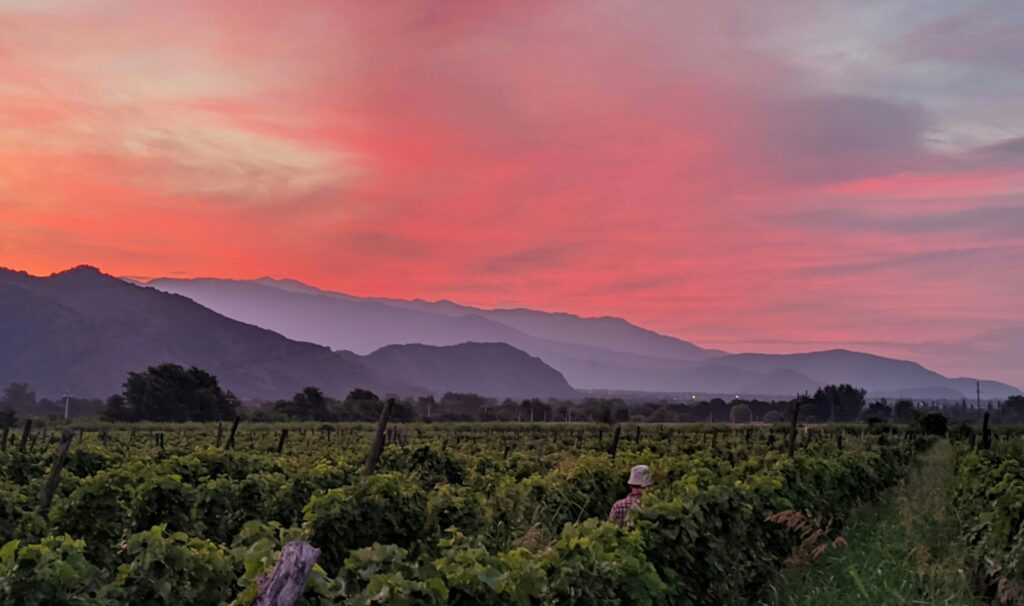
Qvevri wine is one of the oldest ways of making wine on Earth, and one of the most exciting to taste today. It is fermented and aged in large clay vessels buried in the ground, which gives it a depth and texture no stainless steel tank can copy. This guide explains how it is made, what it tastes like and how to choose your first bottle.
- 12 min read
- Kakheti
- Tradition
- Buying guide
A short history of qvevri wine
Archaeologists working at Gadachrili Gora and Shulaveris Gora in southern Georgia found pottery fragments with chemical traces of grape wine. The finds date to around 6000 BC, which is why Georgia is often called the cradle of wine.
For centuries almost every Georgian village house had a marani, a wine cellar with qvevri set into the floor. The marani was the most respected room of the home. Wine was kept there, guests were welcomed there, and families looked after their vessels as heirlooms, because a well kept qvevri can last for generations.
During the Soviet era, industrial production pushed many family cellars aside, yet village winemakers kept the craft alive. After independence a new generation rediscovered the clay vessel, and today qvevri wine has become the calling card of Georgian winemaking.
What is a qvevri and why is it buried?
A qvevri is an egg-shaped clay vessel. Some hold a few hundred litres, others several tonnes. A master potter builds it by hand, layer by layer, fires it in a large kiln and coats the inside with beeswax, which seals the pores and makes cleaning easier.
The finished vessel is buried up to its neck in the cellar floor. The earth works like a natural refrigerator, keeping the wine at an almost constant cool temperature in summer and winter. Fermentation runs calmly and the wine matures slowly and evenly.
The egg shape matters too. During fermentation it creates a gentle natural movement inside, while solids settle into the narrow base. In this way the wine clarifies itself.
Who makes the vessels?
Qvevri making is a craft of its own, practised by only a few families. Some of the best known makers come from villages in Imereti such as Makatubani and Vardisubani, where the skill is often handed from father to son. A large vessel takes weeks to build, because each layer of clay must dry before the next is added.
How qvevri wine is made, step by step
The classic Kakhetian method follows a few simple but precise steps. At every stage the experience of the winemaker is decisive.
- Harvest. Ripe grapes are picked in autumn, when sugar and acidity are in balance.
- Crushing. Grapes are crushed in a wooden or stone press. Juice, skins, seeds and sometimes stems, together called chacha, go into the vessel.
- Fermentation. Fermentation starts naturally. The cap of skins is punched down several times a day so it never dries out.
- Ageing. When fermentation ends, the qvevri is sealed and the wine rests on its skins for several months.
- Racking. In spring the wine is separated from the skins, moved to a clean vessel or tank and later bottled.
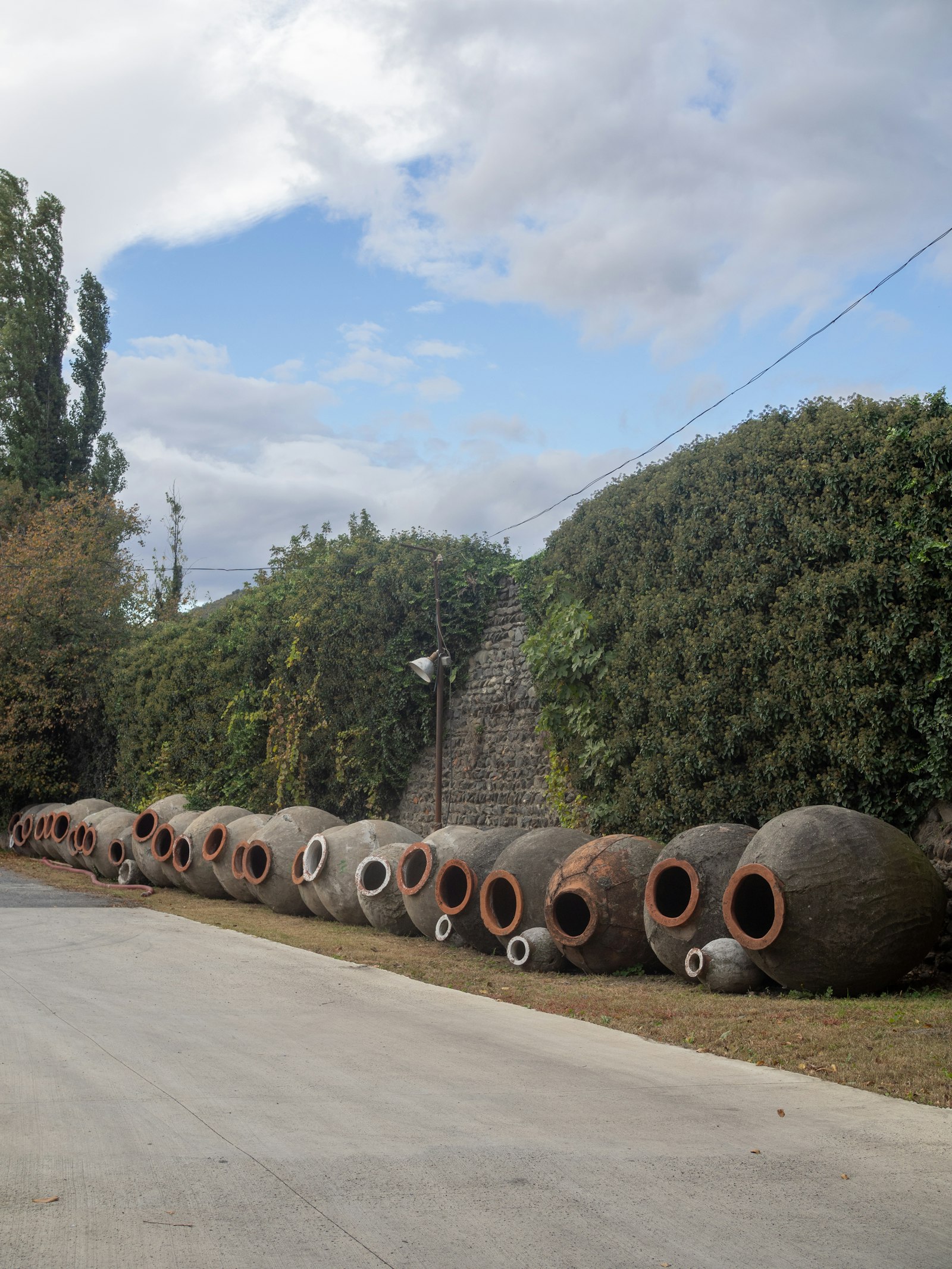
In the Imeretian style winemakers use fewer skins, so the wine is lighter and fruitier. The Kakhetian style gives a fuller, more tannic wine.
How qvevri wine differs from other wine
In the modern European method, white grape juice is separated from the skins right away and fermented in a tank or an oak barrel. The result is pale, light and fruity. In a qvevri, white wine ferments with its skins, and that changes everything.
| Feature | Qvevri method | European method |
|---|---|---|
| Vessel | Clay qvevri buried in the ground | Stainless steel tank or oak barrel |
| Skin contact | Even for whites, often for months | Little or none for whites |
| White wine colour | Amber, deep gold | Pale straw |
| Taste | Full, textured, dried fruit notes | Light, fruity, crisp |
| Ageing potential | Often high | Depends on style |
Long skin contact gives qvevri wine its tannin, body and complex aromas. That is why Georgian whites made this way can feel closer to a red than to a typical white. Neither method is better, and qvevri wine is simply a different experience. A crisp European style is perfect with seafood on a warm evening, while the clay vessel shines with rich, spiced dishes.
Qvevri wine taste and colour: what to expect in the glass
The first thing you notice about qvevri wine is its colour. Whites made in qvevri range from gold to deep amber, which is why they are often called amber wine or orange wine.
From white grapes
Rkatsiteli, Kisi, Khikhvi and Kakhuri Mtsvane develop aromas of dried apricot, honey, black tea, walnut and orange peel. The palate is dry, slightly grippy and long.
From Saperavi
Among red grapes the star is Saperavi. In clay it gives an inky, almost opaque colour, ripe black fruit and firm yet smooth tannins.
How to taste it
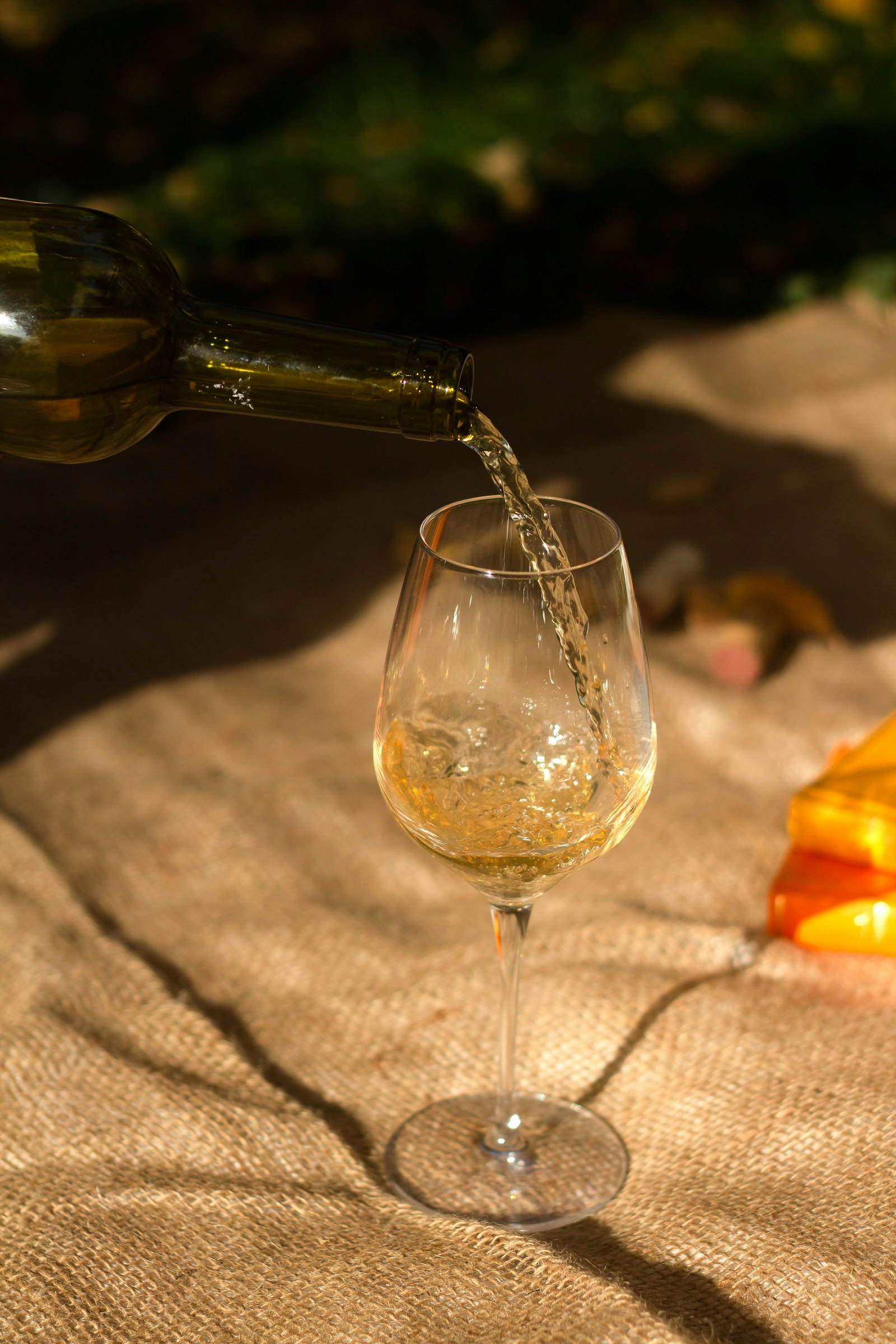
Pour a third of a glass of qvevri wine and look at the colour against the light. Swirl gently and smell twice, once briefly and once deeply. On the first sip, notice the tannin: it dries the mouth slightly, like strong tea. On the second sip, fruit, honey and nut notes appear. A good wine lingers long after you swallow.
UNESCO and the global rise of qvevri wine
In 2013 the ancient Georgian method of winemaking in qvevri was inscribed on the UNESCO Representative List of the Intangible Cultural Heritage of Humanity. The recognition brought Georgian wine international attention.
Today qvevri wine appears on wine lists in New York, London and Tokyo. Sommeliers love it because it pairs with dishes that ordinary white wine struggles to match.
A qvevri is not just a vessel. It is knowledge passed down from one generation of a family to the next.
Myths and facts about qvevri wine
“It is always sour and harsh”
Not true. A well made qvevri wine is balanced: tannin and acidity frame the fruit rather than hide it. Firmness is typical of young wine and softens with time.
“Orange wine is made from oranges”
The name only describes the colour. The wine is made entirely from grapes.
“It does not age well”
Quite the opposite. Tannin is a natural preservative, so good examples often develop for several years and gain new aromas.
How to choose your first bottle
If you are trying qvevri wine for the first time, start with a grape that suits your taste. On the label, look for the word qvevri, the grape variety and the region.
- Kisi Qvevri: aromatic and fruity, a great starting point.
- Rkatsiteli Qvevri: the classic, with clear structure.
- Khikhvi and Mtsvivani: rare grapes for curious drinkers.
- Saperavi Qvevri: for lovers of bold reds.
 Kisi Premium QvevriAmber, dry
 Rkatsiteli Premium QvevriAmber, dry
 Mtsvivani Khikhvi QvevriAmber, dry
 Saperavi Premium QvevriRed, dry
Browse the full range in our Qvevri Wine and Premium Qvevri Wine collections.
Qvevri at Sunwine
Sunwine was founded in 2014 in Kvareli by a family with several generations of winemaking behind it. Our vineyards lie in the Alazani Valley at the foot of the Caucasus, including plots in the Kindzmarauli and Tsinandali microzones and a small organic vineyard.
We control every step from grape to bottle and use both qvevri and European methods, choosing the right path for each grape. Our Kisi Qvevri Premium rests in clay for six months. Kisi Qvevri 2019 won gold at the 2021 TEXOM International Wine Awards, and at the International Qvevri Wine Festival our Saperavi 2020 won gold and Mtsvane 2020 silver. Learn more about us.
How to serve qvevri wine and what to eat with it
Do not serve amber qvevri wine too cold. Around 12 to 14°C is ideal, and 16 to 18°C for Saperavi. Give the wine 15 to 20 minutes in a wide glass to open up.
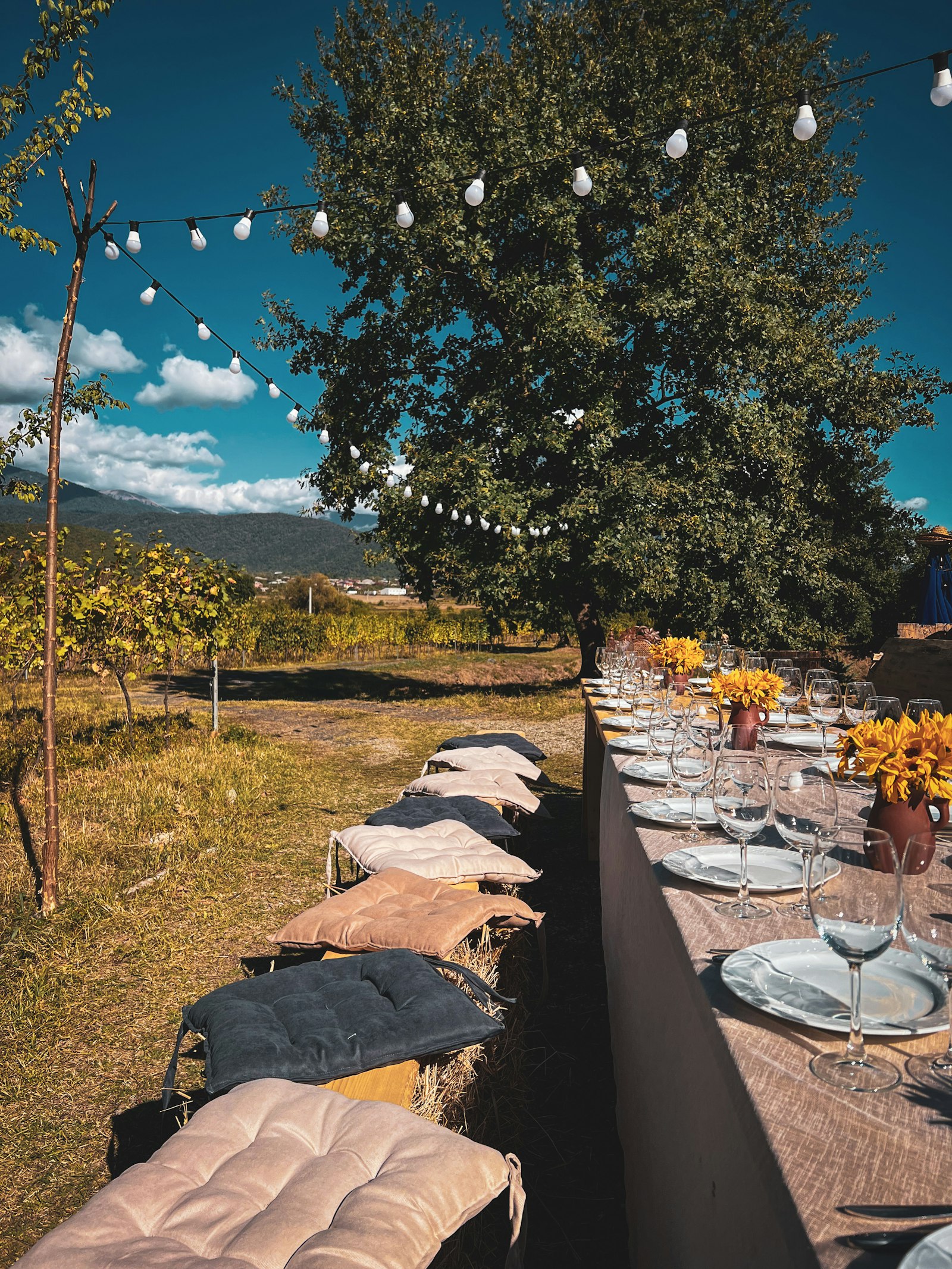
- Amber whites: roast chicken, mushrooms, aged cheese, aubergine with walnuts.
- Saperavi Qvevri: grilled meat, lamb, khinkali dumplings.
- Beyond Georgia: Indian curry, Japanese dishes, roasted vegetables.
Keep unopened bottles somewhere cool, dark and calm, ideally 12 to 15°C, lying on their side if sealed with cork. An opened bottle keeps 3 to 5 days in the fridge.
Frequently asked questions
Is qvevri wine always amber?
No. Only whites fermented on their skins turn amber. Qvevri Saperavi is deep red.
Why is qvevri wine sometimes slightly cloudy?
Many winemakers filter lightly to keep natural flavour. A little sediment is normal and not a fault.
What is the difference between amber and rosé wine?
Rosé is made from red grapes with brief skin contact. Amber wine is made from white grapes that stay on their skins for months, so it has more tannin and texture.
How can I buy Sunwine qvevri wine?
See our wines on the products page, call +995 551 79 77 70 or write to us via the contact page.
Taste Sunwine at Home
Explore our wines, call us to order, and follow the winery for harvest stories, new vintages and tasting events.
Please enjoy wine responsibly. Sale of alcohol to persons under 18 is prohibited.