
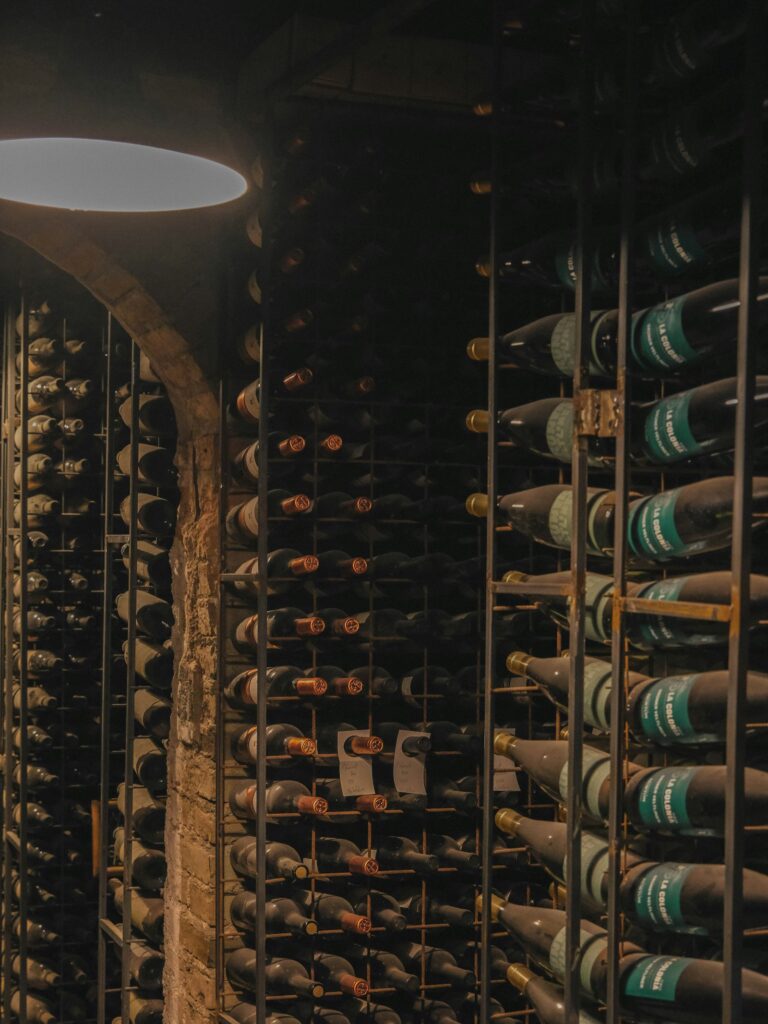
A Georgian marani is the heart of a Georgian home. It is not just a cellar for storing wine: it is where wine is born, where guests are welcomed and where knowledge passes from one generation to the next. This guide shows how a traditional marani is arranged, what happens inside it through the year and where you can see one yourself.
- 8 min read
- Tradition
- Qvevri
- Kakheti
What is a Georgian marani?
In Georgian, marani means the place where wine is made and kept. In a traditional Georgian marani, qvevri vessels are buried in the floor up to their necks, so only their lids are visible. The wine rests underground at a cool, steady temperature all year round.
A Georgian marani can be part of the house, a separate building in the yard or, in some villages, a half-underground room. What matters is not how it looks, but that it is clean, calm and dedicated to wine.
History
Winemaking in Georgia goes back about eight thousand years. Archaeologists in southern Georgia found Neolithic pottery with traces of grape wine. For centuries almost every Georgian family had its own qvevri and a Georgian marani at home. The Georgian marani was always a clean and respected place, never entered idly. Monasteries had their own cellars too, and some survive to this day.
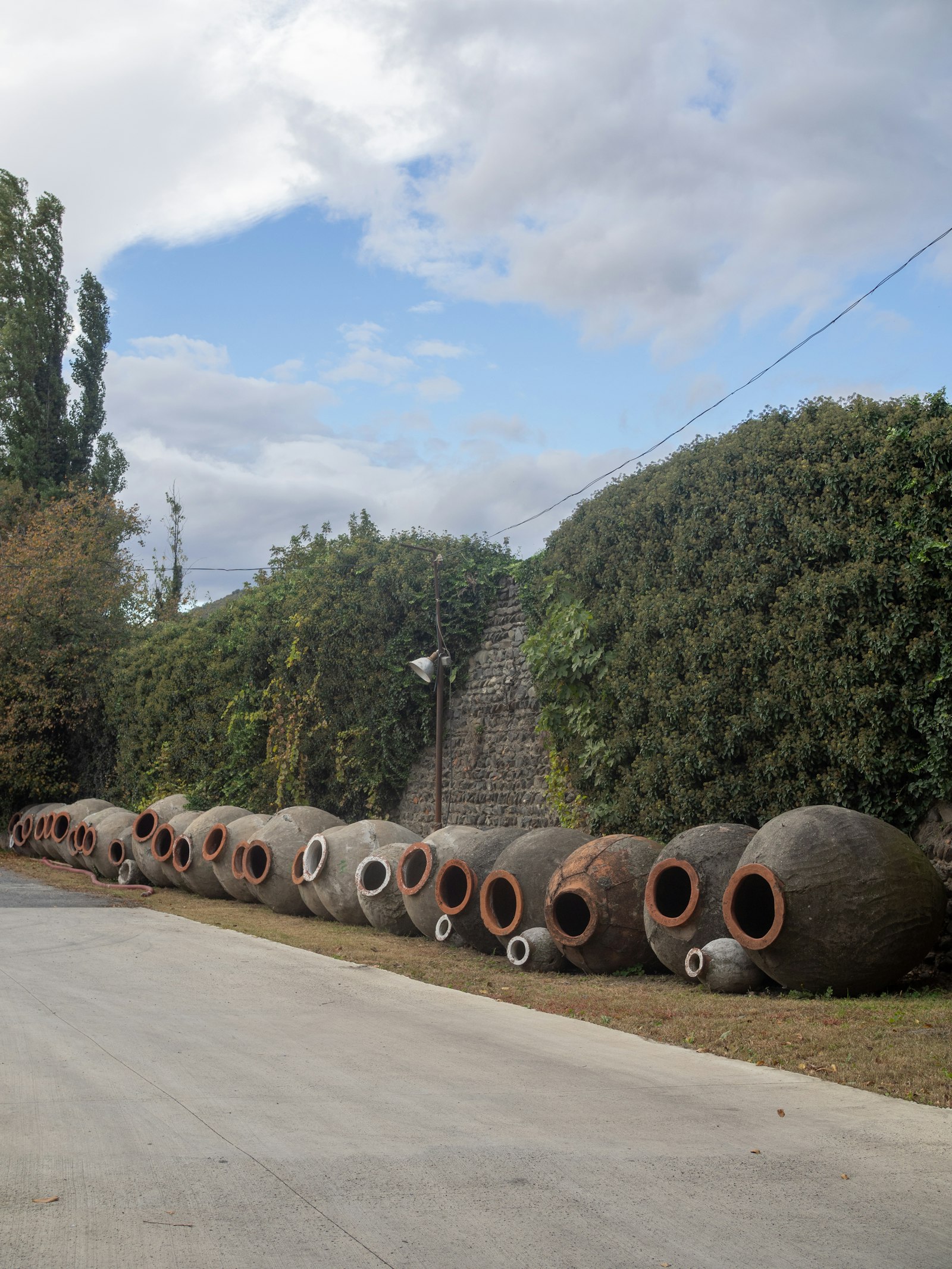
How a traditional Georgian marani is arranged
- Qvevri: clay vessels of different sizes set in the floor, some for fermenting and some for storing.
- Satsnakheli: a large wooden or stone press where grapes are crushed, often carved from a single log.
- Lids: stone or wooden, sealed with clay.
- Cleaning tools: special brushes and vessels for washing the qvevri.
- A table: often right in the cellar, for tasting new wine.
A year in the cellar
Autumn: harvest and fermentation
In September and October grapes are picked and crushed. Juice, skins and seeds go into the qvevri and fermentation begins. The winemaker punches down the skins several times a day.
Winter: rest
After fermentation the qvevri is sealed and the wine rests on its skins for months. The cellar is quiet, and the earth keeps the temperature cool and steady.
Spring: racking
The wine is separated from the skins and moved to a clean vessel or tank. The leftover pomace is often distilled into chacha, Georgia’s grape spirit.
Summer: care
Empty qvevri are cleaned and prepared for the next harvest. Cleanliness is the first rule of quality.
Traditions and rituals
The Georgian marani is a symbol of hospitality. Bringing a guest into the cellar and pouring new wine straight from the qvevri is a great honour. A feast often begins here, and the tamada raises the first toast in the cellar itself. In many families a qvevri is sealed when a child is born and opened at their wedding. Learn more about the method in our guide to qvevri wine.
Entering a marani means entering a family’s history: every qvevri has its own story.
Modern cellars
Today many Georgian wineries combine traditional qvevri with modern technology. Under one roof you may find buried clay vessels, stainless steel tanks and oak barrels, so the winemaker can choose the best method for each grape.

Qvevri making is a craft of its own. The best known masters come from villages in Imereti, such as Makatubani and Vardisubani, where skills pass down within families.
How to visit a Georgian marani in Kakheti
- Contact in advance: family cellars usually welcome visitors by appointment.
- Pick your season: autumn brings the harvest; other months offer calm tastings.
- Ask questions: winemakers love talking about their wine.
- Taste different styles: comparing qvevri and European-style wines is fascinating.
Etiquette for guests
Let the host pour, and raise your glass when a toast is made. If you have had enough, leave your glass half full, as an empty glass will be refilled at once. Do not touch a qvevri lid without permission, and ask before taking photos. Above all, do not rush: time moves differently in a Georgian cellar, and conversations about wine can last for hours.
Kvareli, Telavi and Sighnaghi are good bases for exploring Kakheti’s cellars.
The Sunwine cellar in Kvareli
Our Georgian marani lies in Kvareli at the foot of the Caucasus. It was founded in 2014 by a family with several generations of winemaking behind it. We tend vineyards in the Alazani Valley, including the Kindzmarauli and Tsinandali microzones, and control every step from grape to bottle, working with both traditional qvevri and European methods.
 Kisi Premium Qvevri
 Saperavi Premium Qvevri
 Mtsvane Premium Qvevri
Read our story on the about us page, see our wines on the products page and contact us about a visit via the contact page.
Frequently asked questions
How is a Georgian marani different from a regular cellar?
A regular cellar mostly stores finished wine, while a Georgian cellar is also where wine is made, often in buried qvevri.
Can I taste wine in a cellar?
Many Kakhetian wineries offer tastings. Contact them in advance.
How long does a qvevri last?
A well kept qvevri can be used for decades, sometimes centuries.
How can I buy Sunwine wines?
See our wines and call +995 551 79 77 70.
Learn more about the qvevri tradition on the UNESCO website.
Taste Sunwine at Home
Explore our wines, call us to order, and follow the winery for harvest stories, new vintages and tasting events.
Please enjoy wine responsibly. Sale of alcohol to persons under 18 is prohibited.