
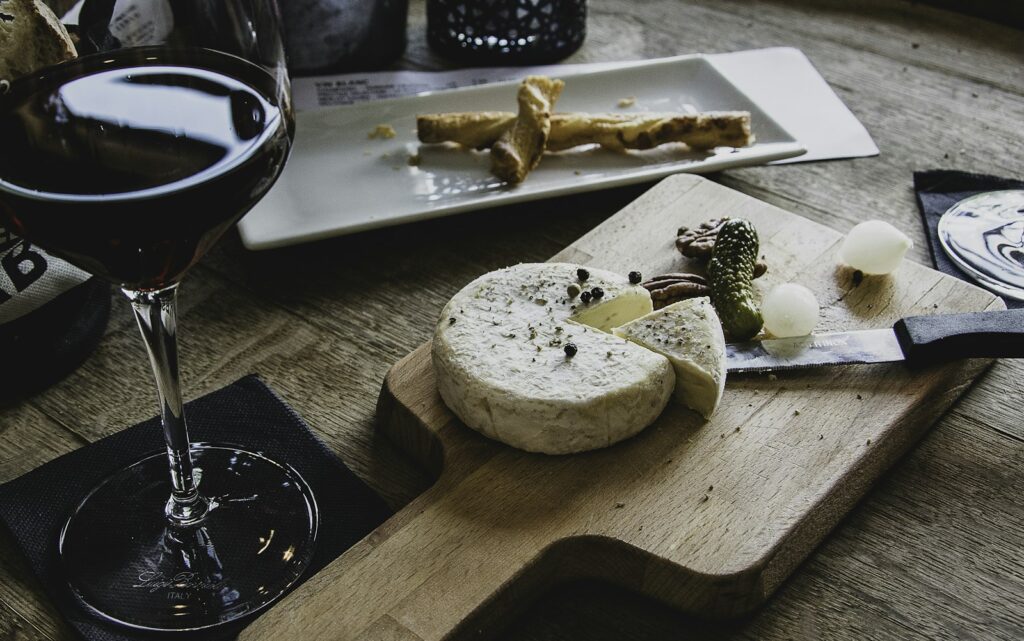
Georgian semi-sweet wine is a favourite in countless Georgian homes, and the reason is simple: it is soft, fruity and pleases almost every guest. Yet not all semi-sweet wines are alike. Some are made naturally, some are not; some are red, others white or rosé. This guide shows you how to spot a quality bottle and what to eat with it.
- 9 min read
- Styles
- Food pairing
- Tips
What does semi-sweet mean?
A wine’s sweetness depends on residual sugar, the sugar left after fermentation. In dry wine almost all of it becomes alcohol. Semi-dry keeps a little, while semi-sweet keeps more, so you clearly taste the sweetness.
Even so, Georgian semi-sweet wine is not heavy or syrupy like a dessert wine. In a good bottle the grapes’ natural acidity balances the sugar, so the taste stays clean and lively. Alcohol is often slightly lower, which makes the wine feel light.
Naturally semi-sweet or sweetened?
This is the most important difference for anyone choosing Georgian semi-sweet wine. In a naturally semi-sweet wine, the winemaker stops fermentation before all the sugar is used, by chilling the wine so the yeast stops working. All the sweetness comes from the grapes.
This is how Georgia’s famous appellation wines are made: Kindzmarauli, Akhasheni and Khvanchkara. The style requires perfectly ripe grapes and an experienced winemaker.
Look for the words naturally semi-sweet and an appellation name on the label. In quality wine the sweetness tastes fruity, not syrupy.
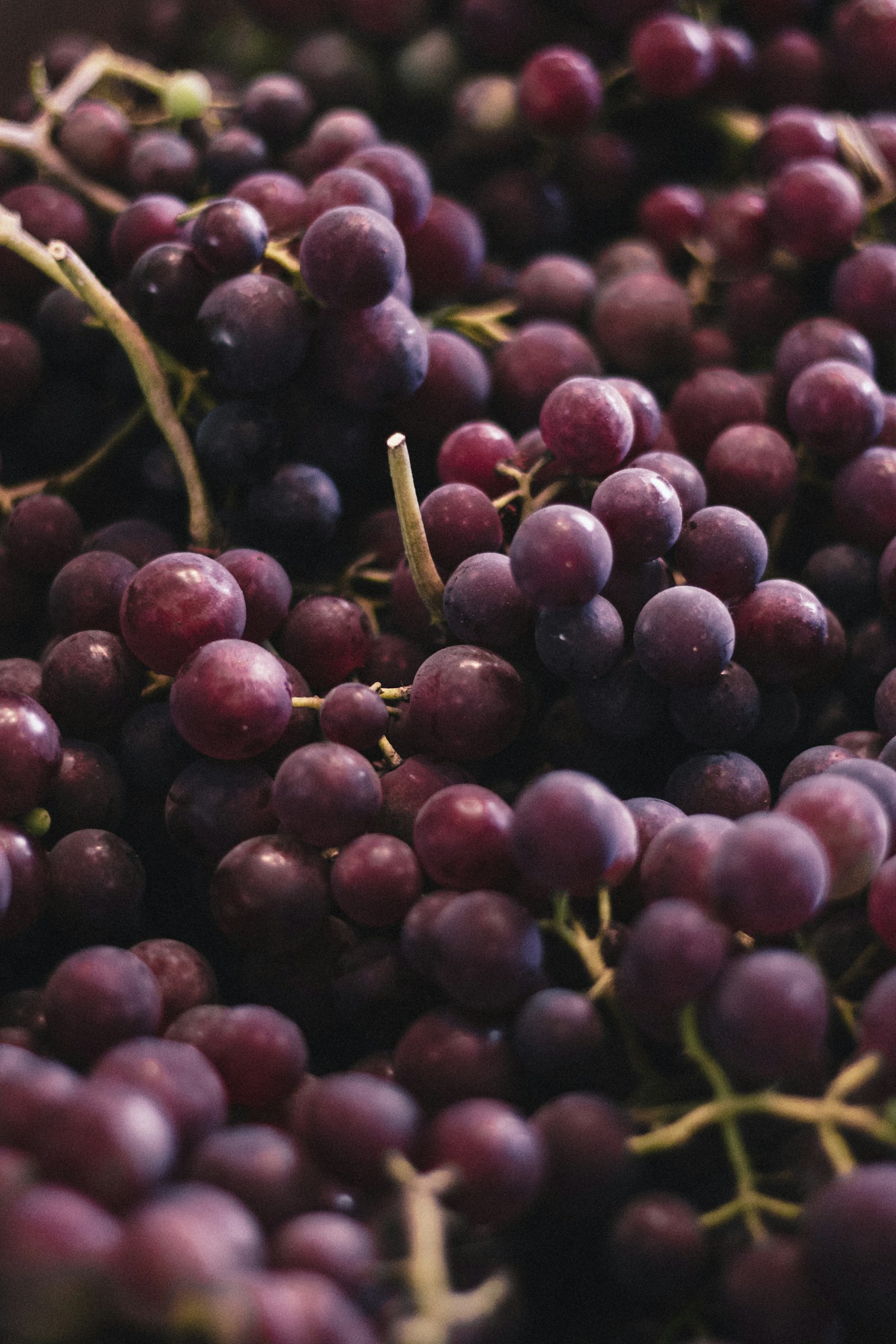
Red Georgian semi-sweet wine
Kindzmarauli
Saperavi from the Kvareli microzone, rich with cherry and blackberry. Read more in our Kindzmarauli wine guide.
Akhasheni
Saperavi from the Gurjaani area, soft and velvety with chocolate and ripe fruit notes.
Khvanchkara
From Aleksandrouli and Mujuretuli grapes in Racha, delicate with raspberry and cherry.
Alazani Valley
A popular semi-sweet red from Kakheti, often made from Saperavi. Light and fruity, ideal for everyday meals.
White and rosé semi-sweet wines
White semi-sweet wine is less famous but delightful, especially in summer. Tvishi from Lechkhumi is made from Tsolikouri and is delicate and fruity. In Kakheti the style is also made from Kisi and Rkatsiteli, with tropical fruit, pear and citrus aromas. Semi-sweet rosé is light, with strawberry and raspberry notes, perfect for a terrace, a picnic or fruit desserts.
Georgian semi-sweet wine at a glance
| Wine | Colour | Grape | Flavour |
|---|---|---|---|
| Kindzmarauli | Red | Saperavi | Cherry, blackberry |
| Akhasheni | Red | Saperavi | Chocolate, ripe fruit |
| Khvanchkara | Red | Aleksandrouli, Mujuretuli | Raspberry, cherry |
| Tvishi | White | Tsolikouri | Pear, flowers |
| Kisi | White | Kisi | Tropical fruit, citrus |
| Rosé | Pink | Saperavi | Strawberry, raspberry |
Serving temperature
Temperature matters a lot for Georgian semi-sweet wine. Warm wine tastes heavy and sweet, while a cooler glass brings out fruit and freshness.
- Red: 14 to 16°C, about 20 to 30 minutes in the fridge.
- White and rosé: 8 to 10°C.
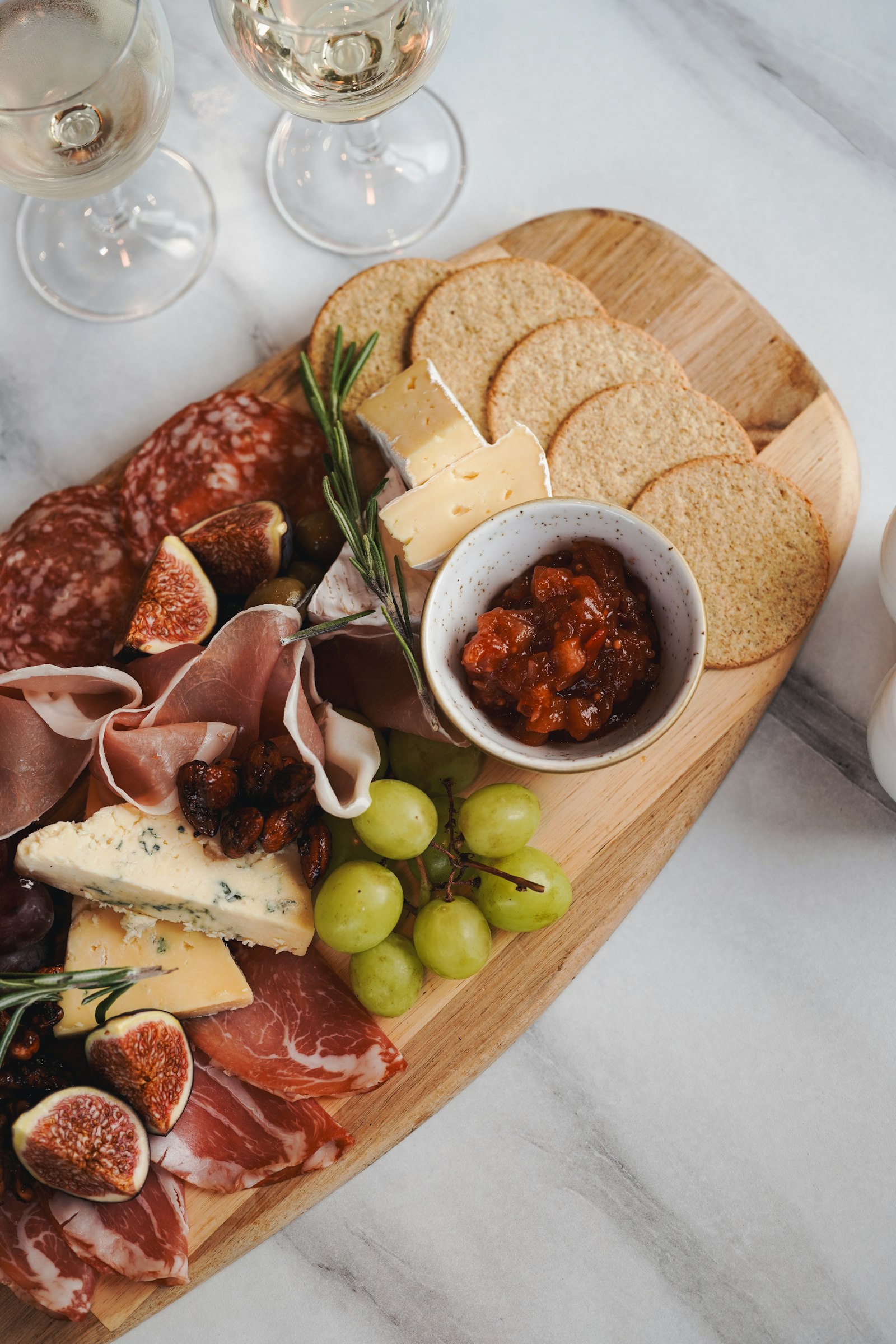
Food pairing for Georgian semi-sweet wine
- Spicy dishes: sweetness tames heat, so it suits adjika-spiced meat, Indian and Chinese food.
- Cheese: blue cheese, aged cheese with honey and walnuts.
- Desserts: chocolate, berry cakes, churchkhela.
- Fruit: strawberries, peaches, figs, grapes.
- Georgian table: many families drink semi-sweet red with grilled meat too.
Why the style became so popular
In the twentieth century Georgia’s naturally sweet reds became famous across the Soviet Union. Khvanchkara and Kindzmarauli turned into symbols of the festive table, and many families still save them for special occasions. Today interest is growing in Europe and Asia too. Buyers love that Georgian semi-sweet wine is fruity yet balanced, with natural sweetness. Sunwine is enjoyed in the USA, Germany, Kazakhstan and China.
Myths about semi-sweet wine
“It is only for beginners”
Many experienced sommeliers rate naturally semi-sweet Georgian wine highly. It is among the hardest styles to make, because fermentation must stop at exactly the right moment.
“Sweet means low quality”
Grapes and winemaker define quality, not sweetness. Appellation semi-sweet wines follow strict rules.
“It does not keep”
High acidity protects the wine for several years in good conditions, though it is most charming when young.
The safest gift choice
When you do not know someone’s taste, Georgian semi-sweet wine is the safest choice. Occasional drinkers enjoy it, and so do foreign guests discovering Georgian grapes for the first time. A nicely wrapped bottle is a perfect symbol of Georgian hospitality.
Sunwine semi-sweet wines
Sunwine is a family winery in Kvareli, founded in 2014, with vineyards in the Alazani Valley at the foot of the Caucasus, including the Kindzmarauli microzone. We control every step from grape to bottle, and our Georgian semi-sweet wine range covers red, white and rosé. Our Kindzmarauli 2020 won silver at the International Saperavi Competition.
 Kindzmarauli
 Akhasheni
 Kisi
 Rosé
See more on our products page, read our story on the about us page and learn the names in our guide to the best Georgian wines.
Frequently asked questions
What is the difference between semi-sweet and semi-dry?
Semi-dry has less residual sugar and barely tastes sweet. Semi-sweet has more and clearly tastes sweet.
Which Georgian semi-sweet wine should I choose?
For red lovers, Kindzmarauli is the classic. For white, try Kisi or Alazani Valley.
How long does an opened bottle last?
Closed and kept in the fridge, 3 to 4 days.
How can I order?
See our wines, call +995 551 79 77 70 or write via the contact page.
Learn more about wine sweetness on Wikipedia.
Taste Sunwine at Home
Explore our wines, call us to order, and follow the winery for harvest stories, new vintages and tasting events.
Please enjoy wine responsibly. Sale of alcohol to persons under 18 is prohibited.