Georgian Wine History: The 8,000-Year Story
Georgian wine history spans about eight thousand years, making it one of the oldest wine stories of humankind. From Neolithic villages and clay qvevri to Christian legends, noble estates and today’s international recognition, this article takes you along that long road in a short, lively way.
- 9 min read
- History
- Tradition
- Culture
Georgian wine history begins in the Neolithic
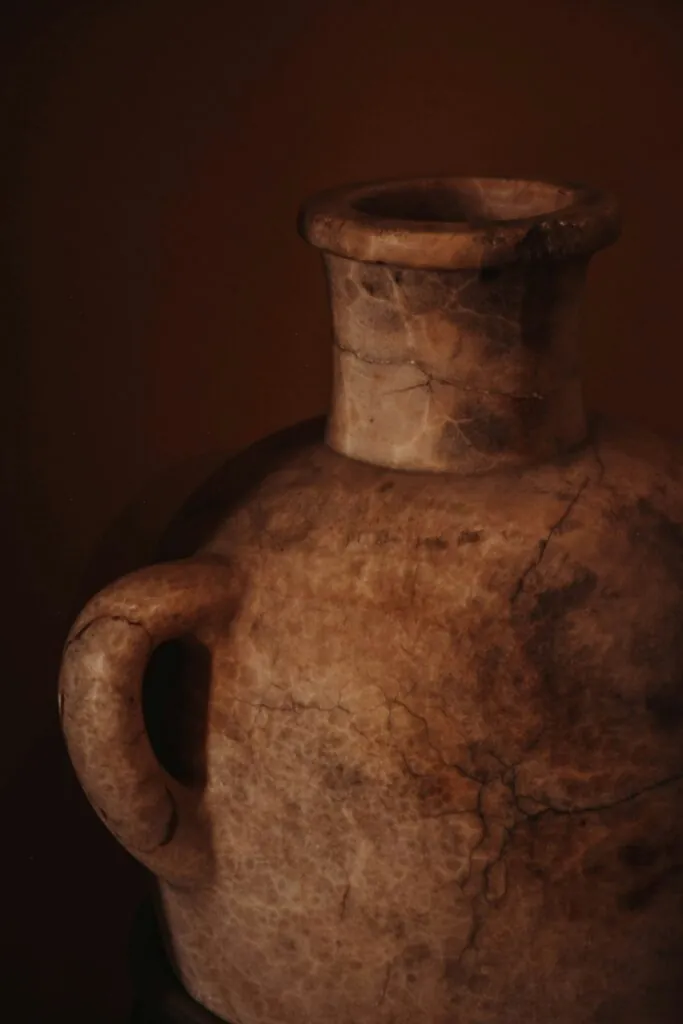
Archaeologists studied Neolithic villages at Gadachrili Gora and Shulaveris Gora in southern Georgia. In pottery fragments, scientists found chemical traces of grape wine dating to around the sixth millennium BC, among the oldest evidence of grape wine anywhere. Wild vines still grow in the South Caucasus, and it was here that people learned to domesticate the vine and turn grape juice into wine. That is why Georgia is often called the cradle of wine.
Georgian wine history in antiquity
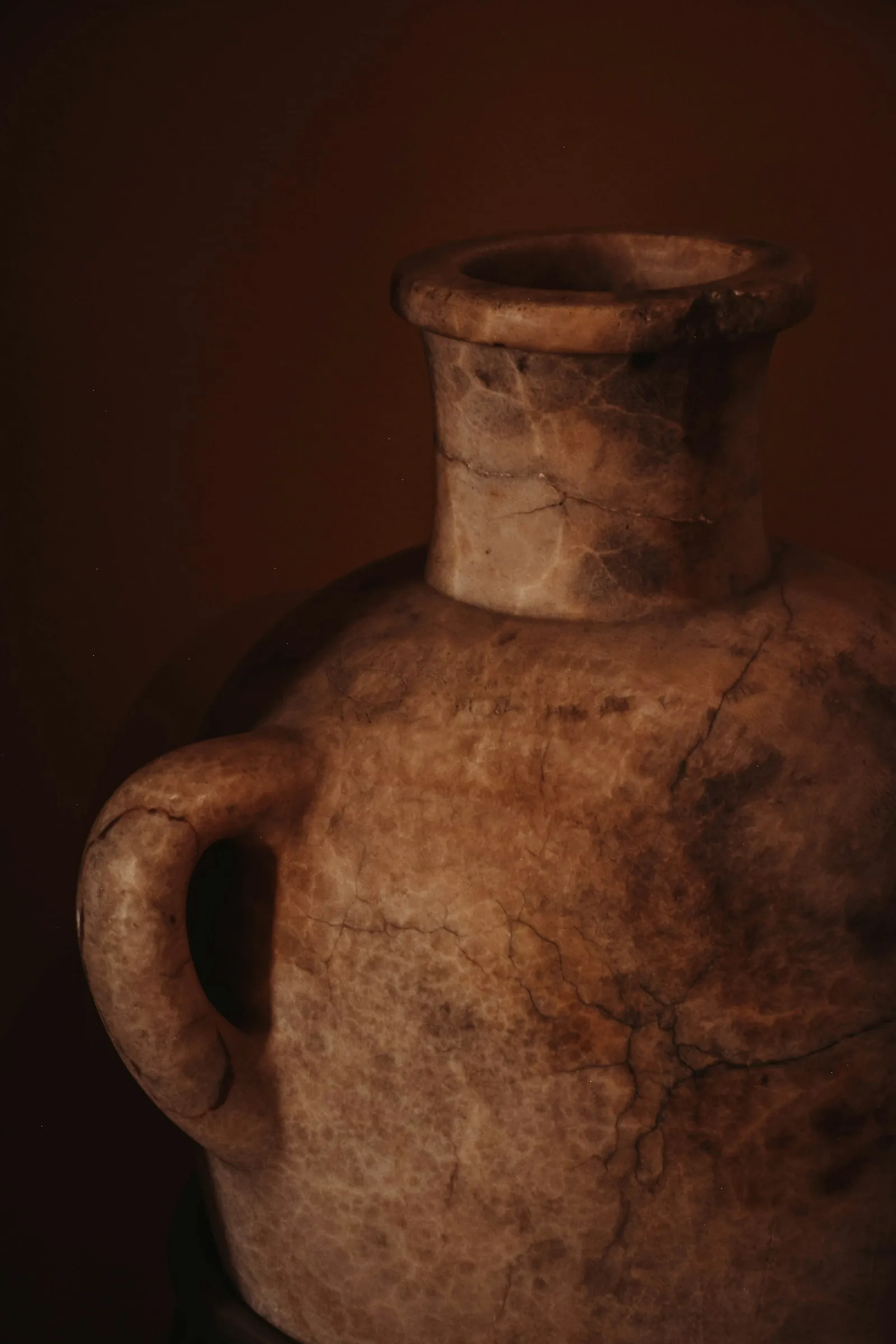
Over the centuries the qvevri became part of everyday life. Archaeological sites have revealed vine motifs, wine vessels and qvevri, showing that wine played an important role in rituals and celebrations.
Saint Nino’s grapevine cross
A key chapter of Georgian wine history began in the fourth century, when Georgia adopted Christianity. According to tradition, Saint Nino made a cross from grapevine branches and bound it with her own hair. The grapevine cross remains a symbol of the Georgian Church, and vine and wine stand for life, fertility and holiness in Georgian culture. Carvings of vines and grape bunches decorate many churches, and the vine is among the most common images in folk songs and poetry.
Georgian wine history in the Middle Ages
In the Middle Ages monasteries became centres of winemaking. Alaverdi, Ikalto and others had their own vineyards and large cellars; many still stand, and Alaverdi monastery still makes traditional qvevri wine. The Georgian feast, with its tamada and toasts, took shape in this era too. Georgian wine history is therefore also a history of hospitality and togetherness.
The nineteenth century: European methods
In the nineteenth century Kakhetian nobles took a keen interest in European winemaking. Alexander Chavchavadze set up a European-style cellar at his Tsinandali estate and began bottling Georgian wine, opening the road to European markets. Read more in our Tsinandali wine guide.
The Soviet period
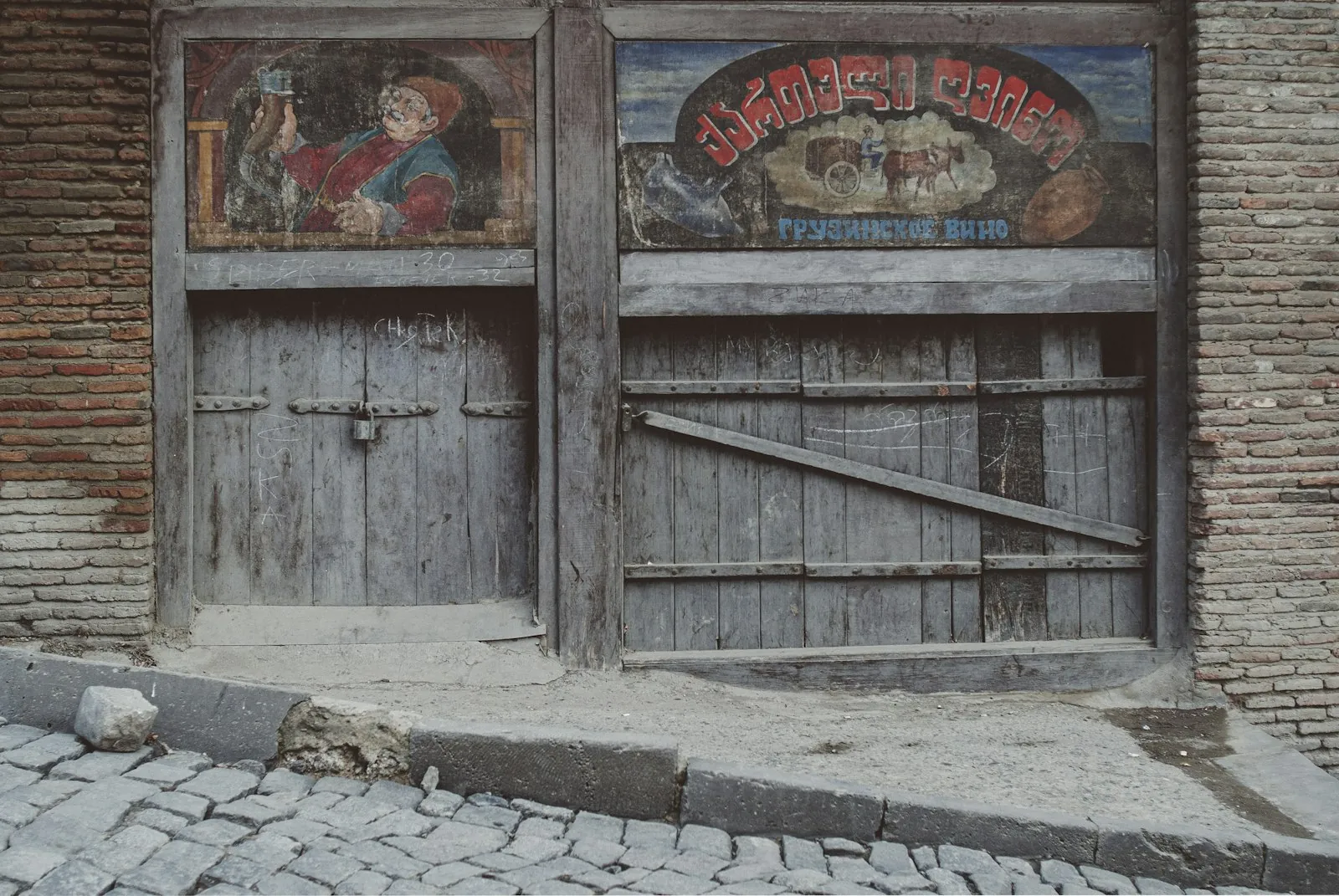
Georgian wine history entered a new stage in the twentieth century, when wine became famous across the Soviet Union. Kindzmarauli, Khvanchkara, Mukuzani and Tsinandali became festive symbols. Mass production often put quantity before quality, and many native grapes were nearly forgotten. Yet in village family cellars the qvevri tradition survived, and those families later became the basis of its revival.
Georgian wine history today: quality and recognition
After independence Georgian winemaking chose a new path. After losing the Russian market in 2006, winemakers focused on quality and new markets. Rare grapes such as Kisi and Khikhvi returned, and the qvevri became part of modern winemaking. In 2013 the traditional Georgian qvevri method was inscribed on UNESCO’s intangible cultural heritage list. Today Georgian wine is sold across Europe, the Americas and Asia, and amber qvevri wine is fashionable in restaurants worldwide. Read more in our guide to qvevri wine.
The Mother of Georgia statue above Tbilisi holds a bowl of wine in one hand and a sword in the other: wine for friends, the sword for enemies.

Georgian wine history: a short timeline
| Period | Event |
|---|---|
| 6th millennium BC | Wine traces in Neolithic pottery in southern Georgia |
| 4th century | Christianity and Saint Nino’s grapevine cross |
| Middle Ages | Monastery vineyards and cellars |
| 19th century | European methods and bottling |
| 20th century | Mass production and Soviet fame |
| 2006 | Shift to quality and new markets |
| 2013 | Qvevri method on the UNESCO list |
Our part in the story
Sunwine was founded in 2014 in Kvareli by a family with several generations of winemaking behind it. We continue a tradition thousands of years old: tending vineyards in the Alazani Valley, making wine in qvevri and by European methods, and sharing Georgian wine history with new generations and new countries. Our wine is enjoyed today in the USA, Germany, Kazakhstan and China.
 Kisi Premium Qvevri
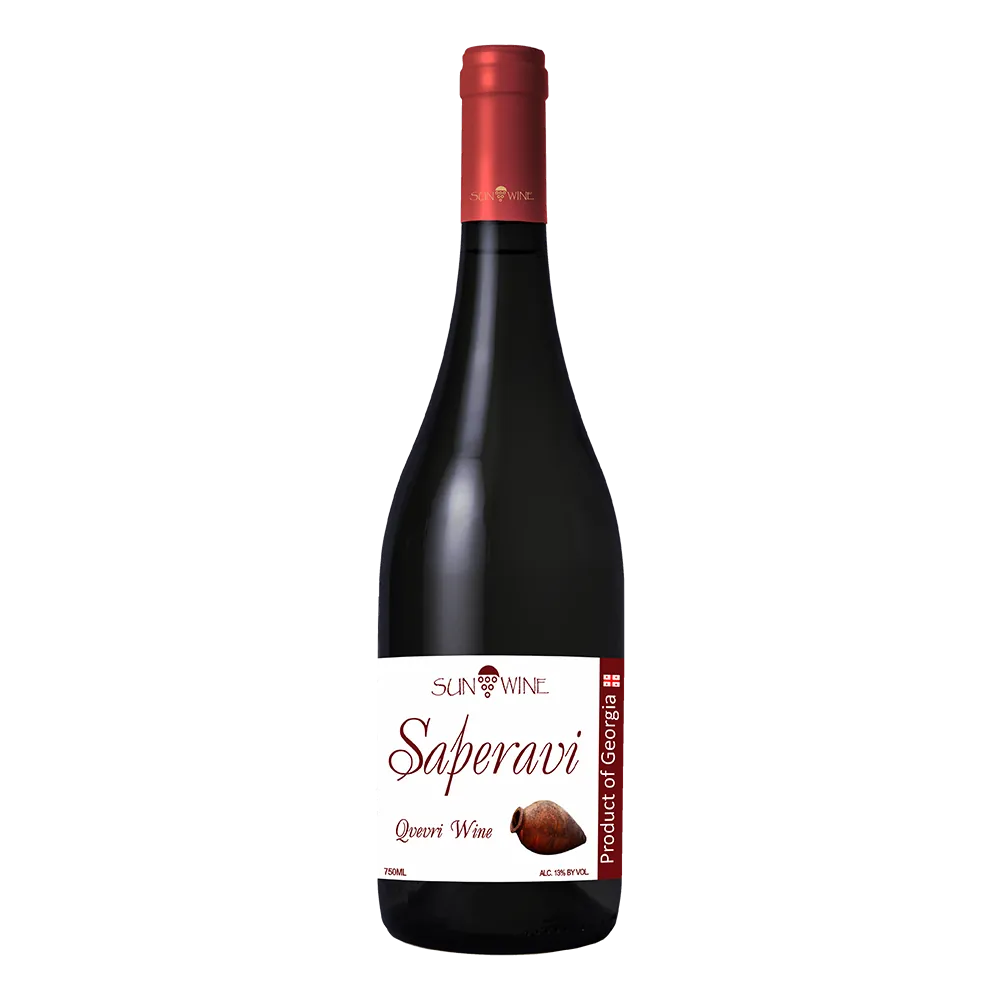 Saperavi Premium Qvevri
 Kindzmarauli
Read our story on the about us page and see our wines on the products page.
Frequently asked questions
How old is Georgian wine?
Archaeological finds date the winemaking tradition back about eight thousand years.
Why is Georgia called the cradle of wine?
Some of the oldest traces of grape wine were found here, and the qvevri tradition has continued unbroken for millennia.
What is the grapevine cross?
Saint Nino’s cross, said to be bound from grapevine branches, is a symbol of the Georgian Church.
How can I buy Sunwine wines?
See our wines, call +995 551 79 77 70 or write via the contact page.
Read about the Neolithic discoveries in the journal PNAS.
Taste Sunwine at Home
Explore our wines, call us to order, and follow the winery for harvest stories, new vintages and tasting events.
Please enjoy wine responsibly. Sale of alcohol to persons under 18 is prohibited.