
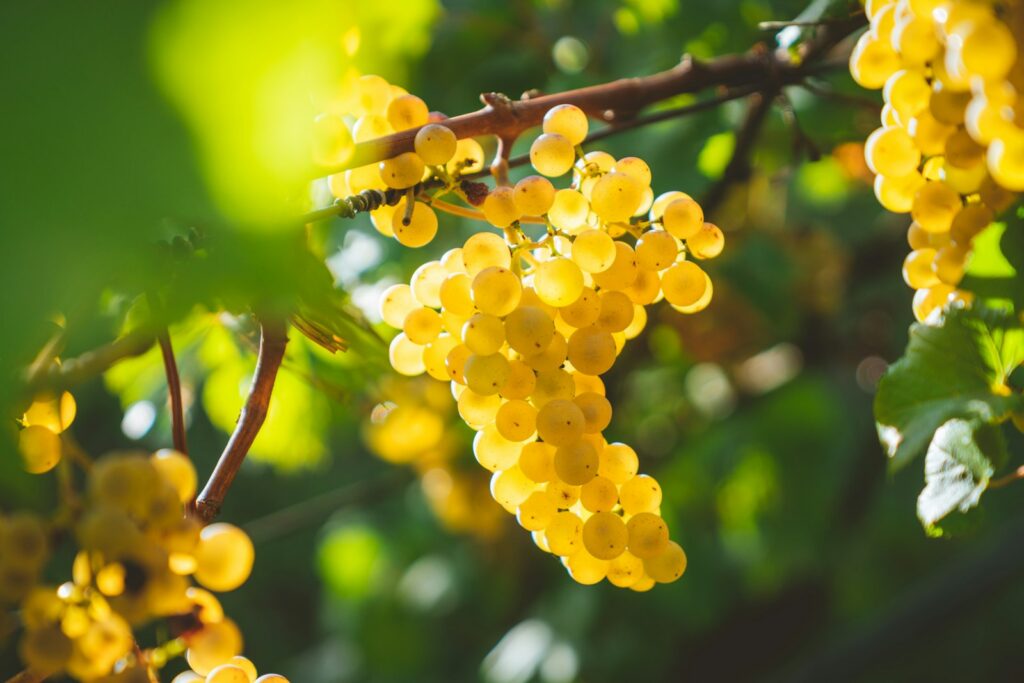
Rkatsiteli wine comes from Georgia’s most widely planted white grape and one of the oldest varieties in the world. It makes both crisp, refreshing whites and deep amber qvevri wines. The grape is a true chameleon, and this guide shows how its character changes with the method and how to choose your style.
- 9 min read
- White grape
- Qvevri
- Kakheti
Rkatsiteli wine: one of the oldest traditions
Georgian winemakers have grown this grape for centuries, and it still covers a large share of Kakheti’s vineyards. The reasons are simple: the vine is hardy, yields well and keeps its acidity even when fully ripe. In the twentieth century it spread to Ukraine, Moldova, Bulgaria and parts of the United States, yet the most authentic and varied Rkatsiteli wine still comes from Kakheti.
What the name means
The name combines two Georgian words: rka and tsiteli. Rka is the one-year shoot of the vine, which turns reddish in autumn, and tsiteli means red. The berries themselves are golden green, sometimes blushing pink on the sunny side.
The vine and the vineyard
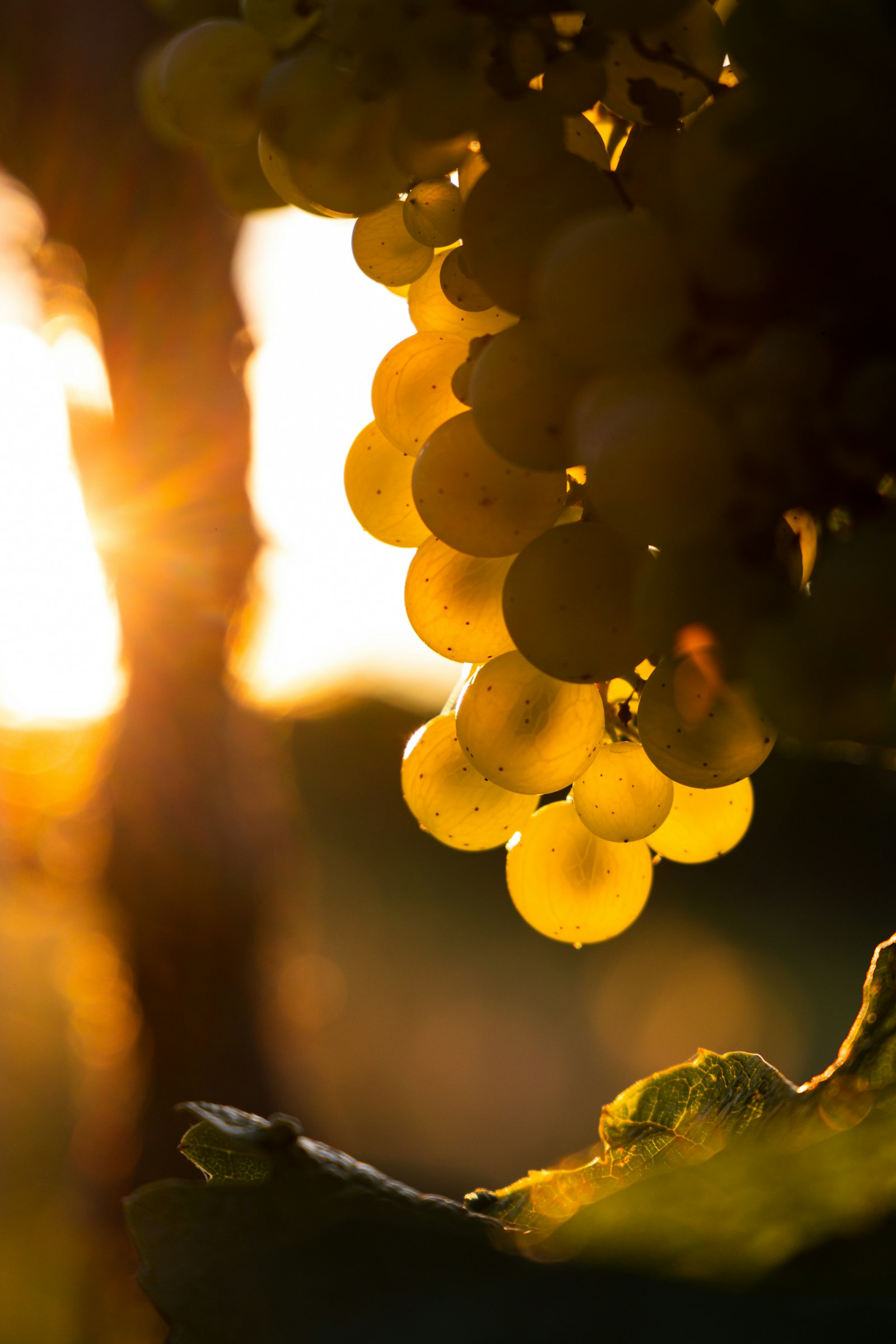
The grape ripens fairly late and makes the most of Kakheti’s long, sunny autumn. It adapts to many soils and climates, so you will find it in almost every Kakhetian village. Harvest usually runs from late September into October.
Rkatsiteli wine made the European way
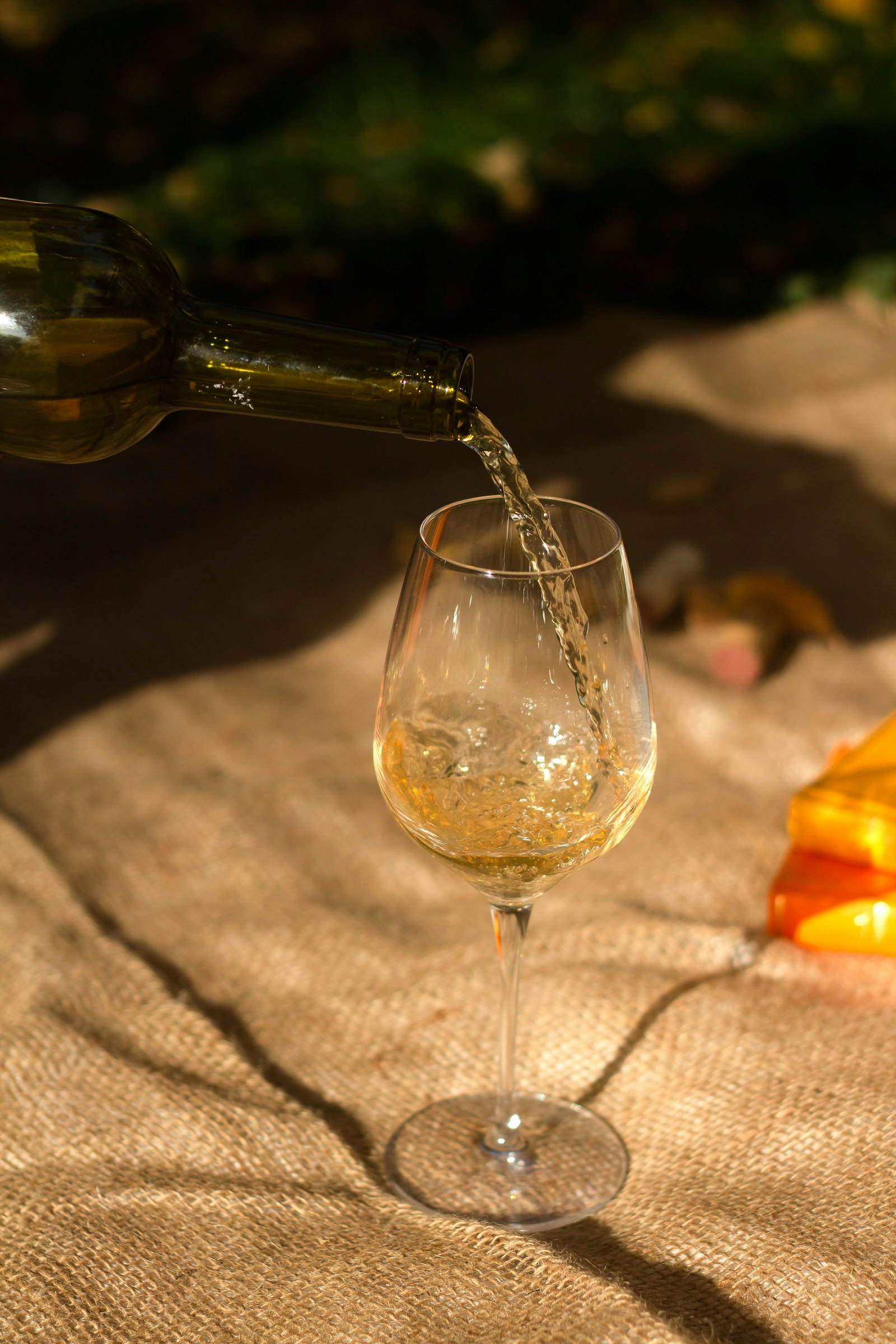
In the modern method the juice is separated from the skins right away and fermented cool in stainless steel. The result is pale, clean and refreshing, with green apple, quince, citrus and white flowers. This style of Rkatsiteli wine is perfect for summer, fish, salads and Georgian herb dishes. Serve at 8 to 10°C.
Rkatsiteli in qvevri
In the traditional Kakhetian method the grapes ferment with skins, seeds and sometimes stems in a clay qvevri, and the wine stays on the skins for months. The result is a completely different Rkatsiteli wine: amber, tannic, with dried apricot, tea, honey, walnut and orange peel. Around the world this style is called amber or orange wine, and sommeliers love it. Serve at 12 to 14°C in a wide glass. Read more in our guide to qvevri wine.
Comparing the two styles
| Feature | European | Qvevri |
|---|---|---|
| Colour | Pale straw | Amber |
| Aroma | Green apple, quince, citrus | Dried apricot, tea, honey, walnut |
| Palate | Light, crisp | Full, tannic |
| Temperature | 8 to 10°C | 12 to 14°C |
| Food | Fish, salads, herbs | Chicken, mushrooms, cheese, spicy food |
Open one bottle of each style on the same evening and compare. It is hard to believe both come from the same grape.
Rkatsiteli wine in famous blends
Many famous Georgian whites are built on this grape. Tsinandali, Gurjaani and Vazisubani blend Rkatsiteli with Kakhuri Mtsvane: Mtsvane adds aroma and floral notes, while Rkatsiteli brings structure and acidity. The grape is also used for semi-sweet whites, and its spirit traditionally goes into Georgian brandy. Explore more names in our guide to the best Georgian wines.
How to taste white and amber wine
Pour a third of a glass and look at the colour against white. Pale straw suggests a young, crisp wine; gold and amber suggest long skin contact. Swirl and smell twice. On the first sip notice the acidity along the sides of the tongue. In amber Rkatsiteli wine you will also feel tannin, which dries the mouth slightly like strong tea. A good wine lingers long after you swallow.
A fun fact
After the wine is drawn off the qvevri, the remaining pomace is traditionally distilled into chacha, Georgia’s grape spirit. Nothing goes to waste in a Georgian cellar.
Food pairing
- European style: grilled fish, herb salads, pkhali, fresh cheese, seafood.
- Qvevri style: chikmeruli, chakhokhbili, baked mushrooms, aubergine with walnuts, aged cheese.
- World cuisine: amber wine suits Indian curry, Thai dishes and roasted vegetables.
Storage and ageing
Drink European-style whites young, within a year or two of bottling. Thanks to tannin, amber qvevri Rkatsiteli wine often develops for several years. Keep both cool and dark at 12 to 15°C.
Sunwine Rkatsiteli
Sunwine is a family winery in Kvareli, founded in 2014. We use both qvevri and European methods, because each grape needs its own path. Our amber Rkatsiteli wine, Rkatsiteli Qvevri Premium, rests in clay for six months, and our Rkatsiteli 2019 won bronze at the International Qvevri Wine Festival.
 Rkatsiteli Premium Qvevri
 Tsinandali
 Kisi Premium Qvevri
Browse the premium qvevri collection and our products page, and read our story on the about us page.
Frequently asked questions
Is Rkatsiteli wine white or red?
It is a white grape despite its name. In qvevri it makes amber wine.
Which style should I choose?
European style for a light, refreshing wine; qvevri style for a full and unusual one.
How long does it keep?
Drink European style within a year or two; qvevri wine lasts several years.
Where can I buy it?
See our wines, call +995 551 79 77 70 or write via the contact page.
More about the grape on Wikipedia.
Taste Sunwine at Home
Explore our wines, call us to order, and follow the winery for harvest stories, new vintages and tasting events.
Please enjoy wine responsibly. Sale of alcohol to persons under 18 is prohibited.