
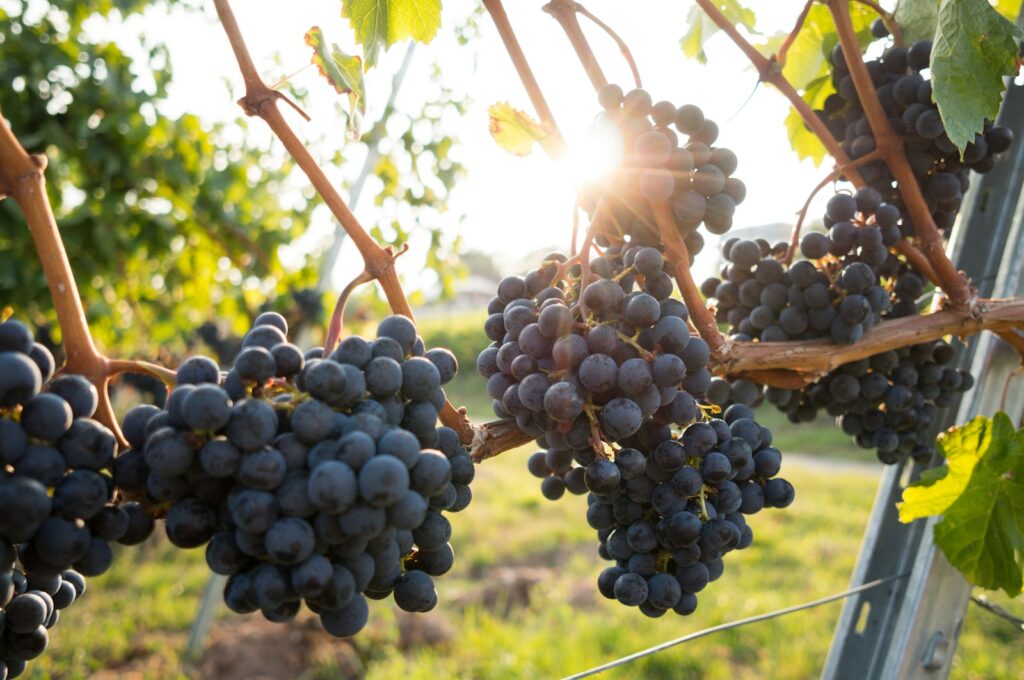
Saperavi wine is the best known name in Georgian winemaking, and for good reason. Its inky, almost black colour, aromas of ripe cherry and blackberry and its bold yet velvety taste make it one of the most distinctive reds in the world. In this guide you will learn where the grape comes from, which styles it makes and how to choose a bottle you will truly enjoy.
- 11 min read
- Red wine
- Kakheti
- Guide
What makes Saperavi wine special
Most red grapes have coloured skins but pale flesh and juice. Saperavi is a rare exception: even its pulp is red. Winemakers call such grapes teinturier. This is why Saperavi wine is so deeply coloured and leaves a violet trace on the glass.
The grape also keeps naturally high acidity. That freshness gives the wine its long life: a good bottle develops for years and reveals new layers. Its tannins are powerful, yet careful winemaking turns them silky and harmonious.
The vine ripens fairly late, so the long, warm autumn of Kakheti suits it perfectly. Grapes are usually picked in October, when sugar, acidity and aroma reach full balance.
History and the meaning of the name
The name comes from the Georgian word for colour, and it describes the grape perfectly. In the past its juice was even used to dye fabric. For centuries it was fermented in qvevri in Kakhetian cellars and served as the family’s everyday table wine.
In the twentieth century the variety spread beyond Georgia, and today it grows in Moldova, Ukraine, Australia and the United States. Still, wine lovers looking for the most authentic expression of Saperavi wine come to Kakheti.
Why Kakheti is the perfect home
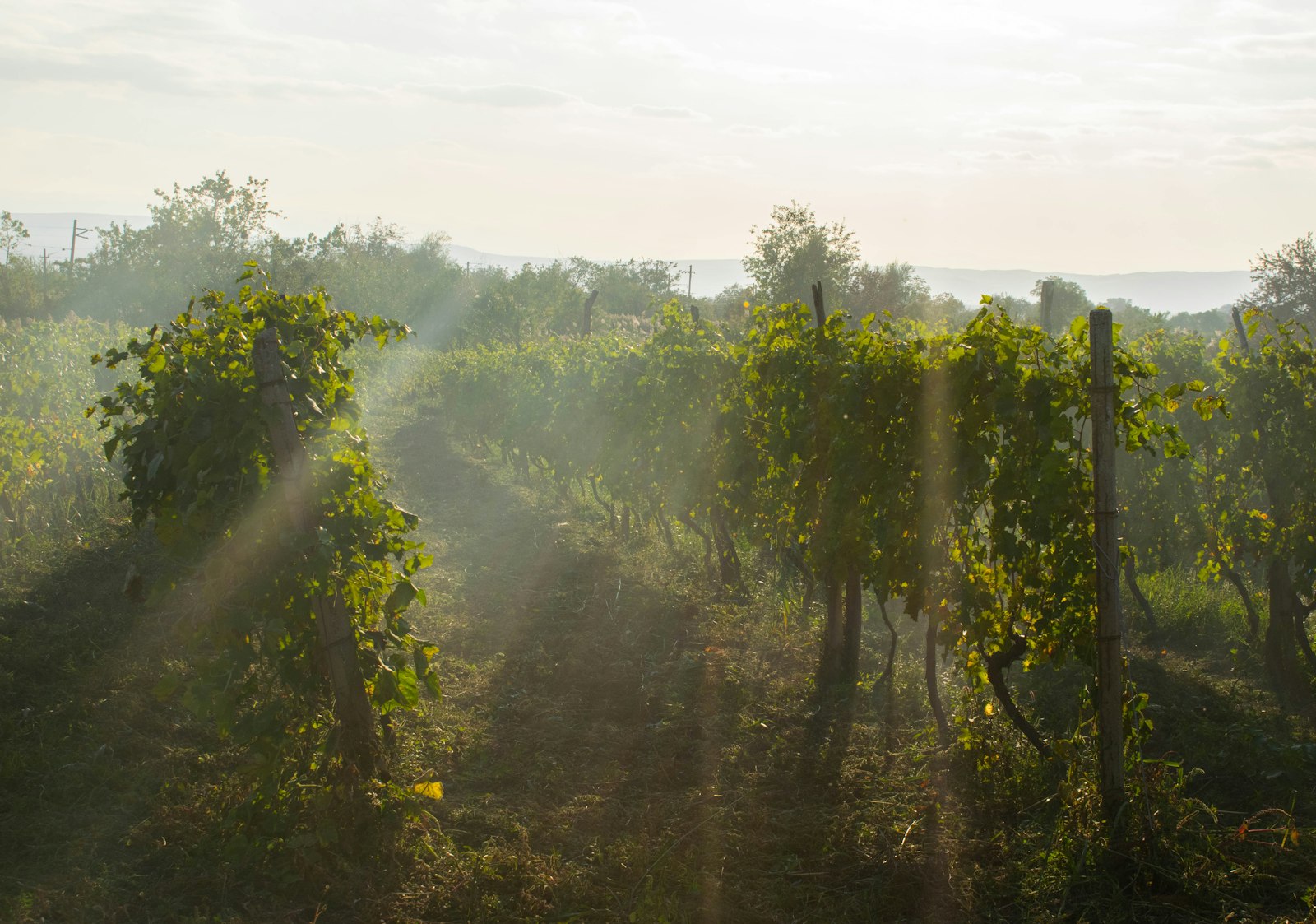
Kakheti lies in eastern Georgia. The Greater Caucasus range shields it from cold northern winds, while the Alazani Valley offers fertile soils, sunny days and cool nights. That difference between day and night helps grapes build aroma while keeping their acidity.
Soils here are varied, with limestone, clay and alluvial layers. The same grape shows a different personality from village to village, which is exactly what winemakers mean by terroir.
How dry Saperavi wine is made
- Hand harvest. Bunches are picked carefully into small crates so the berries stay intact.
- Sorting. Damaged or unripe bunches are removed in the cellar.
- Fermentation on skins. Colour and tannin live in the skins, so juice and skins ferment together.
- Malolactic fermentation. Sharp malic acid turns into softer lactic acid and the wine becomes rounder.
- Ageing. The wine rests for months or years in tanks, oak barrels or qvevri.
Every step shapes the final taste. Two cellars can make very different Saperavi wine even from neighbouring vineyards.
Styles of Saperavi wine
| Style | How it is made | Best for |
|---|---|---|
| Dry red | European method, tank or barrel | Classic red wine lovers |
| Qvevri | Fermented on skins in clay qvevri | Fans of full, textured reds |
| Mukuzani | Protected designation of origin | Elegant reds with ageing potential |
| Naturally semi-sweet | Fermentation stops naturally, as in Kindzmarauli | Soft, fruity taste |
| Rosé | Short skin contact | Summer and light dishes |
Read more about the clay vessel method in our guide to qvevri wine.
Taste and aroma
Young Saperavi wine shows ripe cherry, blackberry, black plum and pomegranate, sometimes black pepper and violets. Oak ageing adds vanilla, chocolate and tobacco. After several years the fruit softens and notes of leather, dried fruit and forest mushroom appear, while the tannins become rounder.
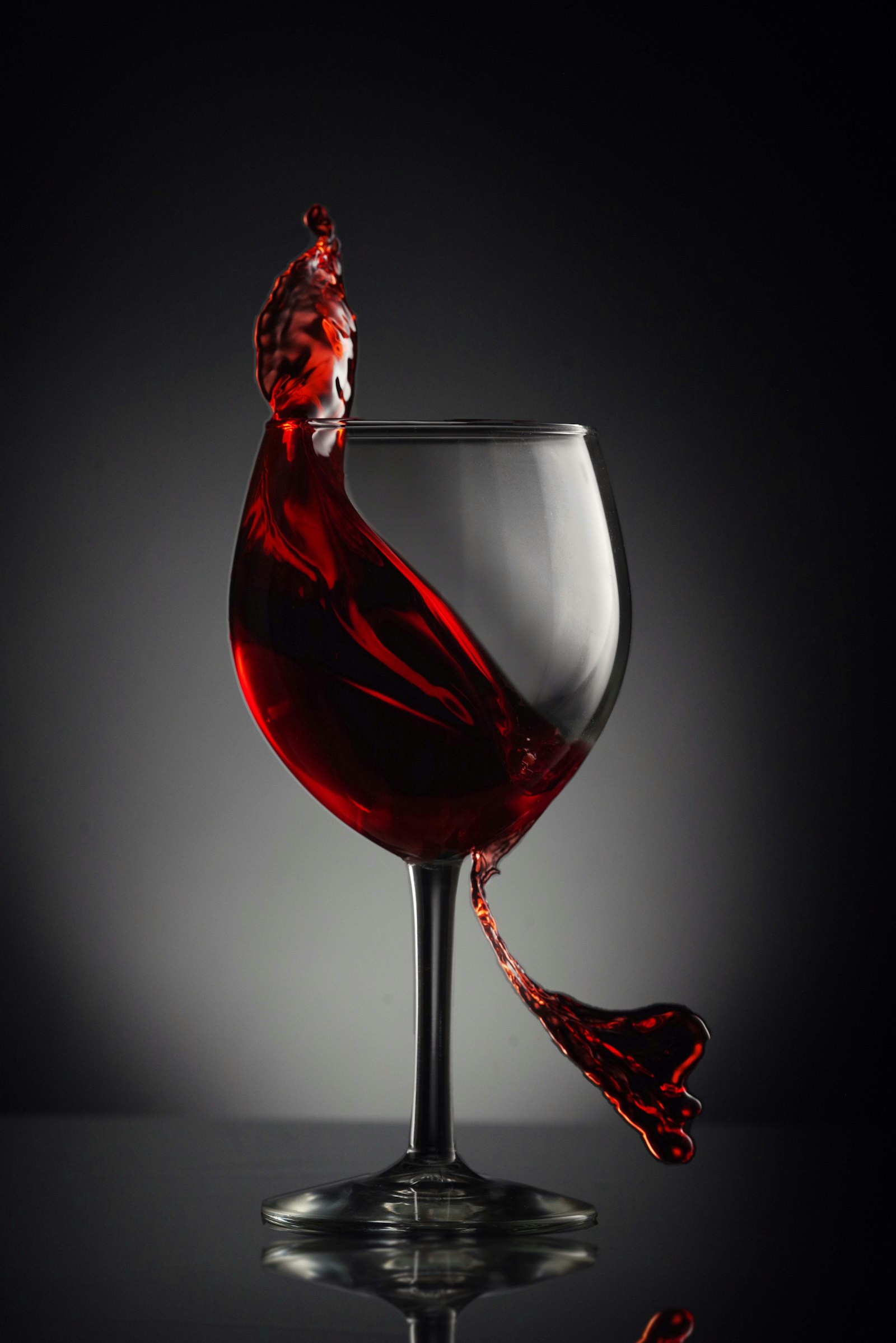
Serve at 16 to 18°C. Room temperature is often too warm, so chill the bottle for 15 minutes in summer.
Saperavi wine compared with famous grapes
| Grape | Colour | Flavour | Acidity |
|---|---|---|---|
| Saperavi | Very dark, almost black | Cherry, blackberry, pepper | High |
| Cabernet Sauvignon | Dark | Blackcurrant, cedar | Medium to high |
| Merlot | Medium | Plum, chocolate | Medium |
| Syrah | Dark | Blackberry, black pepper | Medium |
The key difference is acidity. Saperavi wine feels livelier and more refreshing, which makes it a great match for rich, spiced dishes. Few grapes can match its depth of colour.
Microzones: where the best wines are born
- Mukuzani: dry, elegant, built to age.
- Kindzmarauli: near Kvareli, naturally semi-sweet.
- Akhasheni: in the Gurjaani area, also semi-sweet.
- Napareuli: a dry red from the Telavi area.
Sunwine was founded in 2014 in Kvareli, and our vineyards lie in the Alazani Valley at the foot of the Caucasus, including the Kindzmarauli microzone. We control everything from grape to bottle. Our Saperavi 2020 won gold at the International Qvevri Wine Festival and bronze at the International Saperavi Competition, and Saperavi 2021 earned a medal at the Georgia International Wine Award 2024. Read our story on the about us page.
Why the world is discovering Saperavi wine
Interest in Georgian reds has grown quickly in recent years. Sommeliers and critics often compare the grape with famous European varieties, yet they agree it has a voice of its own. International drinkers are drawn by three things: an authentic story, a bold but fruity taste and the sheer range of styles one grape can produce.
Sunwine wines are enjoyed today in the USA, Germany, Kazakhstan and China, and Saperavi wine is one of our most important exports. Many visitors first taste it at a Georgian feast and then look for it at home.
A good glass of Saperavi tells a story about the vineyard, the sun and the family that looks after it.
When to drink it: a seasonal guide
In winter choose a full dry or qvevri Saperavi wine to match hot dishes and long evenings. In spring and summer reach for a lighter, younger red or a rosé served slightly chilled. Autumn is harvest time, when fresh grape must and last year’s wine meet on the same table. For festive gatherings, a semi-sweet bottle pleases almost every guest, including those who rarely drink dry wine.
How to choose a good bottle
- Pick a style. Dry, qvevri or semi-sweet is the most important choice.
- Check the region. A protected origin on the label is a good sign.
- Look at the vintage. Drink light wines young and keep fuller ones.
- Choose a trusted producer. A family estate that tends its own vineyards is the best guarantee.
 Saperavi
 Saperavi Premium
 Saperavi Qvevri
 Kindzmarauli
See the full range on our products page or in the premium collection.
Food pairing
- Grilled meat and lamb: the classic match.
- Stews with herbs and spices: bring out the fruit.
- Khinkali dumplings: especially with meat filling.
- Aged cheese: sulguni, hard European cheeses.
- With semi-sweet styles: churchkhela, fruit, chocolate desserts.
Storage and ageing
Keep bottles somewhere cool, dark and calm at 12 to 15°C, lying down if sealed with cork. Full dry, qvevri and premium bottles are the best candidates for ageing, while semi-sweet and lighter styles are best enjoyed young. Older bottles may throw natural sediment, which is a sign of quality.
Common mistakes when serving Saperavi wine
- Serving it too warm. At 22°C alcohol dominates and the fruit fades.
- Using a small glass. A wide bowl lets the aroma open.
- Drinking it straight away. Full-bodied wine needs 20 to 30 minutes of air.
- Storing it in the sun. Light and heat damage wine quickly.
- Sticking to one style. Try dry, qvevri and semi-sweet versions to find your favourite.
Avoid these simple errors and every bottle will show its best side, whether you open it for a quiet dinner or a big celebration with friends.
Frequently asked questions
Is Saperavi wine dry or sweet?
Both. Classic Saperavi is dry, while Kindzmarauli and Akhasheni are naturally semi-sweet.
How long can I keep it?
Drink lighter wines within 2 to 4 years. Good dry and qvevri wines often develop for 8 to 10 years.
What is the difference between Mukuzani and other reds?
Mukuzani is a protected origin wine made from grapes of a strictly defined zone and is often aged in oak.
How can I buy Sunwine wines?
See our wines, call +995 551 79 77 70 or write via the contact page.
More on the grape at Wikipedia.
Taste Sunwine at Home
Explore our wines, call us to order, and follow the winery for harvest stories, new vintages and tasting events.
Please enjoy wine responsibly. Sale of alcohol to persons under 18 is prohibited.