
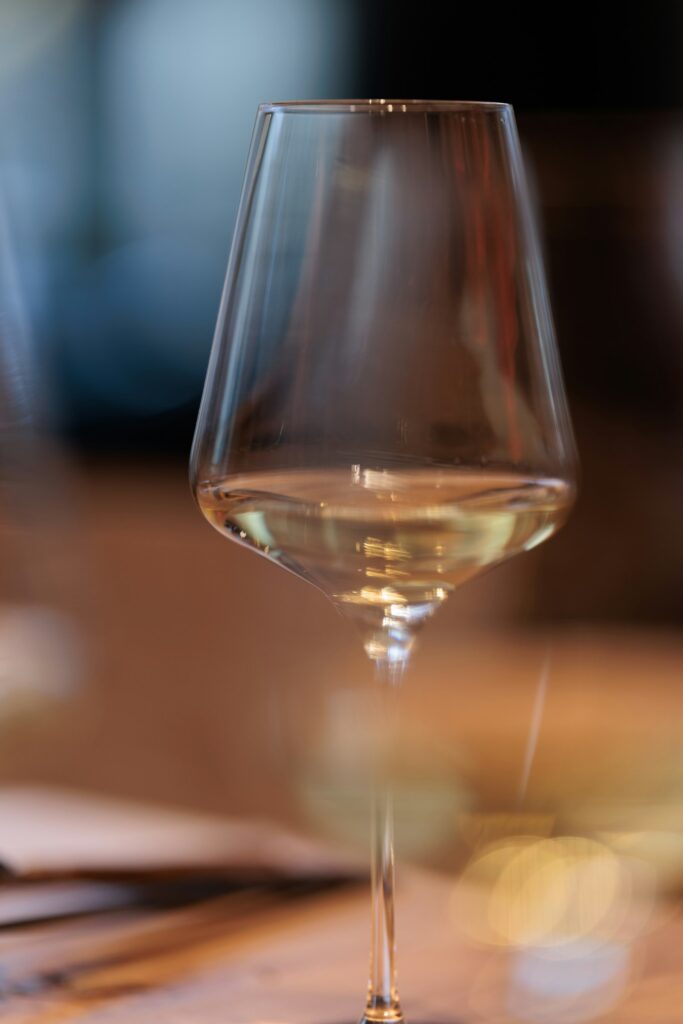
Dry wine is the term you see most on wine labels, yet many people struggle to explain it. Does it mean sour? Harsh? And how is semi-dry different from semi-sweet? This guide explains every sweetness level in plain words and helps you find the style that suits your taste.
- 8 min read
- Labels
- Sweetness
- Explained
What does dry wine mean?
The word dry describes sweetness, not harshness or acidity. During fermentation yeast turns grape sugar into alcohol. When almost all the sugar is converted, very little residual sugar remains and the wine no longer tastes sweet. That is dry wine.
Under EU rules, dry wine usually has no more than about 4 grams of residual sugar per litre, so little that the tongue hardly notices it. Even so, the wine can be very fruity: aromas of ripe cherry or peach create an impression of sweetness, although the sugar is not there.
The four sweetness levels
| Style | Residual sugar, EU standard | What you taste |
|---|---|---|
| Dry | Up to about 4 g/l | No sweetness |
| Semi-dry | Up to about 12 g/l | A gentle softness |
| Semi-sweet | Up to about 45 g/l | Clear sweetness |
| Sweet | Over 45 g/l | Dessert wine |
Exact limits vary slightly between countries and rules, but the overall picture is the same everywhere.
Semi-dry: the golden middle
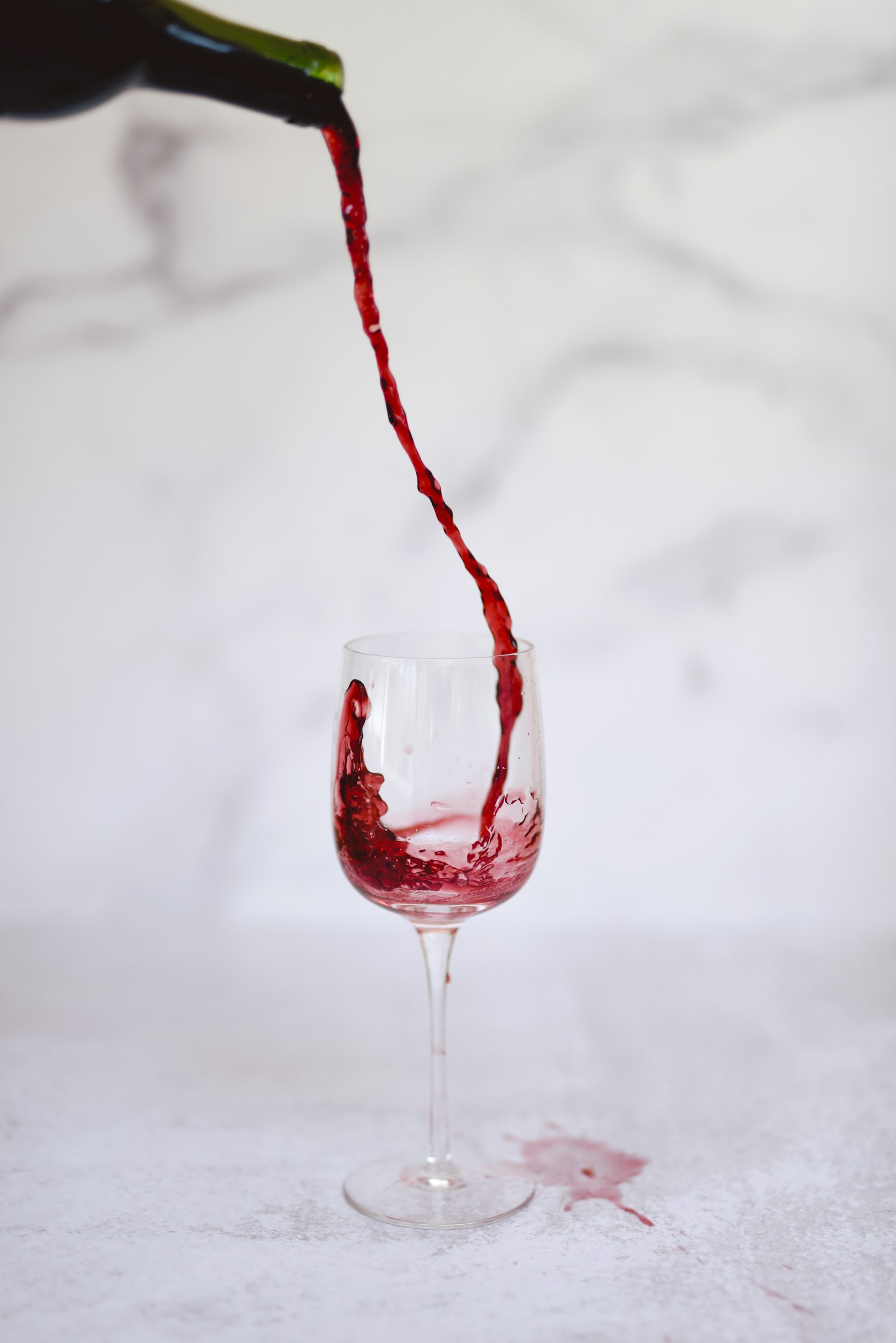
This style keeps a little more sugar, so it feels slightly softer without being sweet. It is a good choice if dry wine feels too firm and semi-sweet too sweet. In Georgia, naturally semi-dry reds are also made, where fermentation stops on its own.
Common mistakes about dry wine
“Dry means sour”
Acidity and sweetness are different things. A wine can be dry yet soft, round and fruity.
“Dry means a drying mouthfeel”
That drying sensation comes from tannin, not from a lack of sugar. Tannin is mostly found in red and amber wines.
“It is only for experts”
Quite the opposite: it is the most versatile and suits almost any dish. You just need the right grape.
Dry wine in Georgian tradition
Traditional Georgian qvevri wine is almost always dry. In a buried clay vessel, fermentation runs slowly and completely, so the yeast uses up the sugar. For centuries the Georgian table was set with dry reds and whites, and the tamada raised long toasts with it all night. Naturally semi-sweet reds became widely known later, in the twentieth century. Read more in our guide to qvevri wine.
Dry red wine from Georgia
The main grape for Georgian dry reds is Saperavi. It makes the appellation wines Mukuzani and Napareuli as well as qvevri Saperavi: dark, with ripe cherry and blackberry, high acidity and firm tannin.
Dry white wine from Georgia
The best known dry whites are Tsinandali, Gurjaani and Manavi. Key grapes are Rkatsiteli, Kakhuri Mtsvane, Kisi and Khikhvi. Made the European way they are crisp and refreshing; in qvevri they become amber and full.
How to choose your style
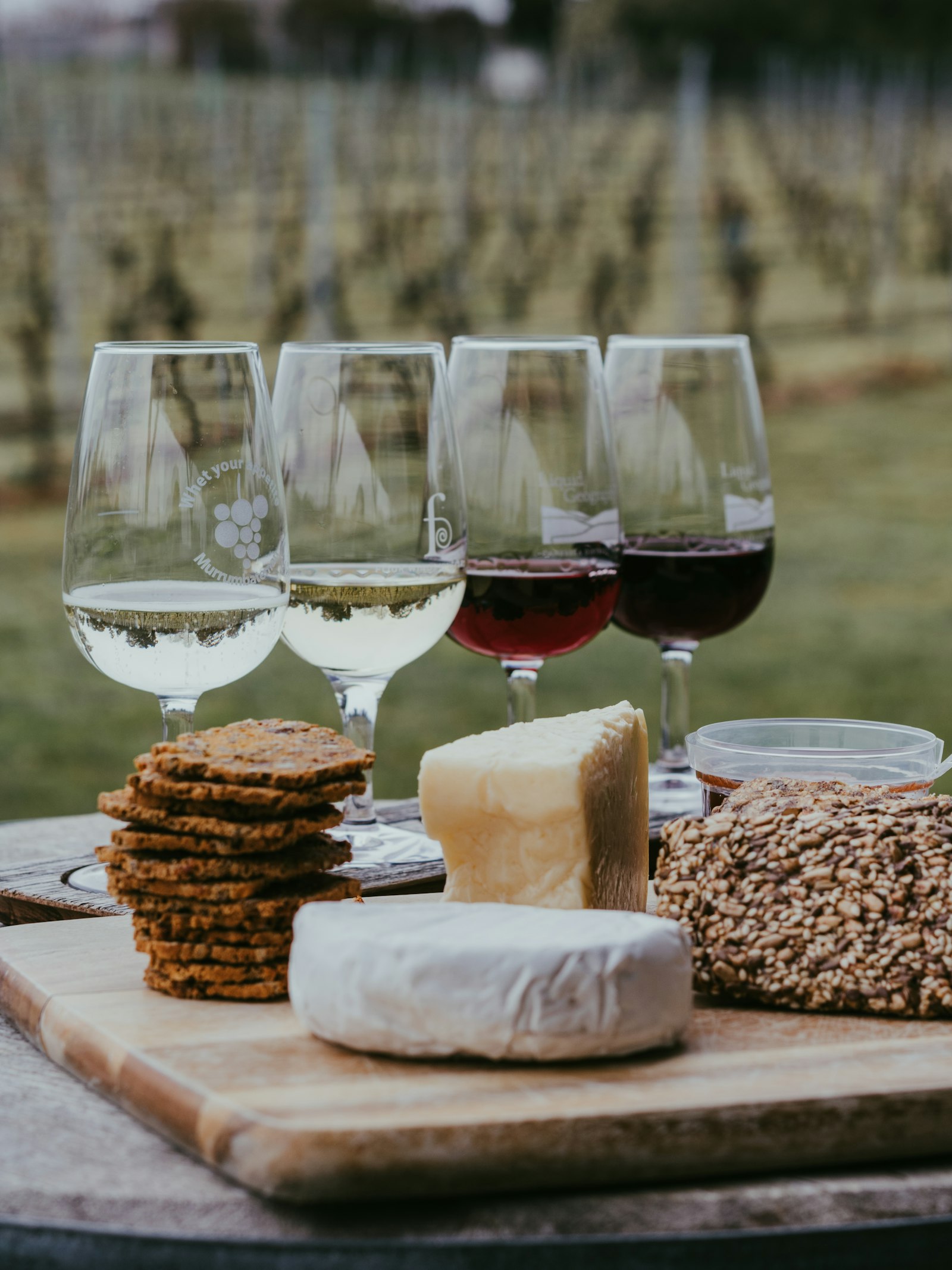
- If you avoid sweet drinks: start with a dry style.
- If you like a touch of softness: try semi-dry.
- If you love fruity, soft wines: choose a naturally semi-sweet wine.
- If you choose by food: red with rich meat, white with fish.
Serve dry red at 16 to 18°C and dry white at 8 to 10°C. Chilled white tastes crisper, while red served too warm feels heavy.
Food pairing
- Dry red: grilled meat, lamb, ojakhuri, khinkali, aged cheese.
- Dry white: fish, seafood, salads, pkhali, fresh cheese.
- Dry amber: chakhokhbili, mushrooms, aubergine with walnuts, spicy dishes.
Georgian spices and walnuts pair beautifully with dry styles, because acidity balances richness and refreshes the palate. That is why dry red and white always stand side by side on a Georgian table.
Sunwine dry wines
Sunwine is a family winery in Kvareli, founded in 2014. We control every step from grape to bottle and use both qvevri and European methods. Our Mukuzani 2020 won silver at the International Saperavi Competition, and our Saperavi 2020 won gold at the International Qvevri Wine Festival.
 Saperavi
 Mukuzani
 Tsinandali
 Manavi Mtsvane
See more on our products page and read our story on the about us page.
Frequently asked questions
Does dry wine have fewer calories?
With less sugar it is usually slightly lighter than semi-sweet, though alcohol content matters most.
Which is more popular in Georgia?
Both. Dry red and white fill everyday tables, while semi-sweet is a favourite for celebrations and gifts.
How long does an opened bottle last?
Red 3 to 5 days, white 2 to 3 days, closed and kept in the fridge.
Where can I buy it?
See our wines, call +995 551 79 77 70 or write via the contact page.
More on wine sweetness on Wikipedia.
Taste Sunwine at Home
Explore our wines, call us to order, and follow the winery for harvest stories, new vintages and tasting events.
Please enjoy wine responsibly. Sale of alcohol to persons under 18 is prohibited.